Trump's Use of Emergency Powers: Legal Battles and Controversies
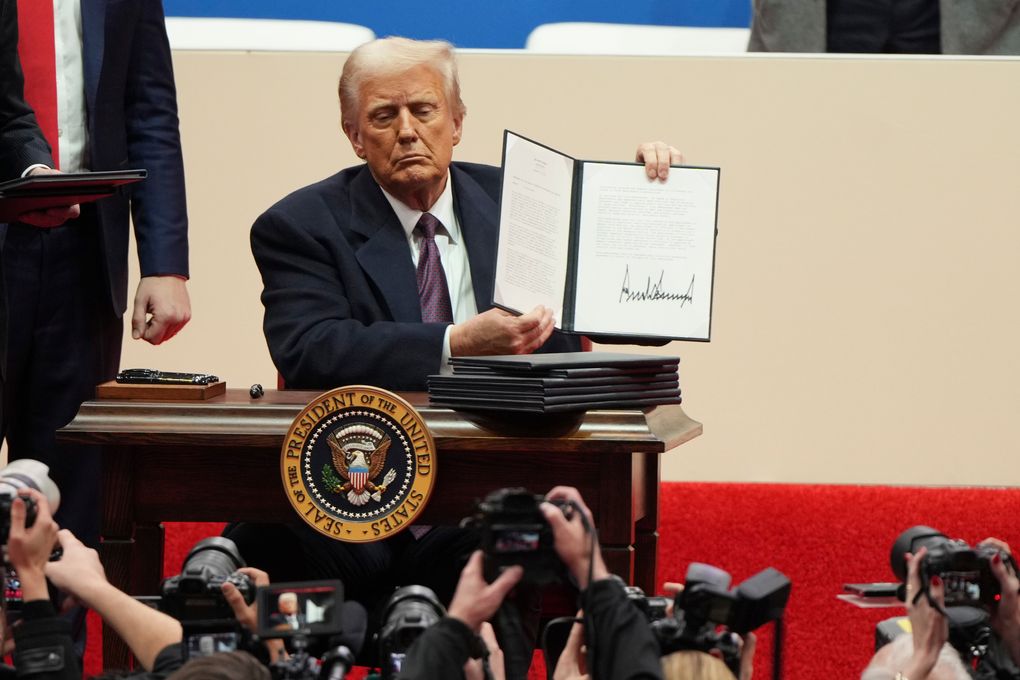
The current presidency has been characterized by the use of emergency powers by President Donald Trump, unlike any of his predecessors. Trump has utilized these powers in various instances, such as imposing tariffs, deploying troops, and bypassing environmental regulations. A significant number of Trump's executive orders have cited emergency powers, surpassing those of recent presidents. This approach has raised concerns about the extent to which Trump is circumventing Congress' authority to advance his agenda.
One notable legal battle arose when five U.S. businesses sued the administration over the imposition of tariffs under the guise of an economic emergency. The businesses argued that Trump overstepped his authority, as trade policy falls under Congress' purview. The courts are currently reviewing this case, highlighting the potential risks associated with Trump's use of emergency powers.
Trump's reliance on emergency powers, particularly the International Emergency Economic Powers Act (IEEPA), has been a focal point of his presidency. This law, enacted in 1977, is meant to address threats to national security, foreign policy, or the economy. Trump has invoked this law more frequently than his predecessors, using it to justify tariffs on imports and other actions.
The administration has also invoked an 18th-century law, the Alien Enemies Act, to justify deporting Venezuelan migrants. This decision was based on allegations of ties between the Venezuelan government and criminal organizations, despite intelligence officials not confirming these claims. The use of emergency powers by the presidency has been a contentious issue, with concerns about potential abuse and overreach.
Over the years, Congress has granted emergency powers to the presidency to enable swift action in times of crisis. These powers encompass a wide range of actions that can be taken in emergencies, including suspending regulations, approving new drugs, and overriding bans on certain activities. Both Democrats and Republicans have pushed the boundaries of emergency powers, with past presidents using them to address various challenges.
Despite legal challenges and concerns about the abuse of emergency powers, Trump and his allies maintain that his actions are justified. Vice President JD Vance defended the administration's use of emergency powers, citing threats to critical supplies and the manufacturing supply chain. Efforts to rein in a president's emergency powers have been made in Congress, but bipartisan legislation to limit these powers has not advanced.
In conclusion, the Trump presidency has seen a significant reliance on emergency powers to advance policy goals and address perceived threats. The use of these powers has sparked legal battles, raised concerns about executive overreach, and prompted calls for greater oversight of presidential emergency authority. The debate over the appropriate use of emergency powers continues to be a contentious issue in American politics.