Republican Tax Bill: Balancing Priorities and Controversies in Congress
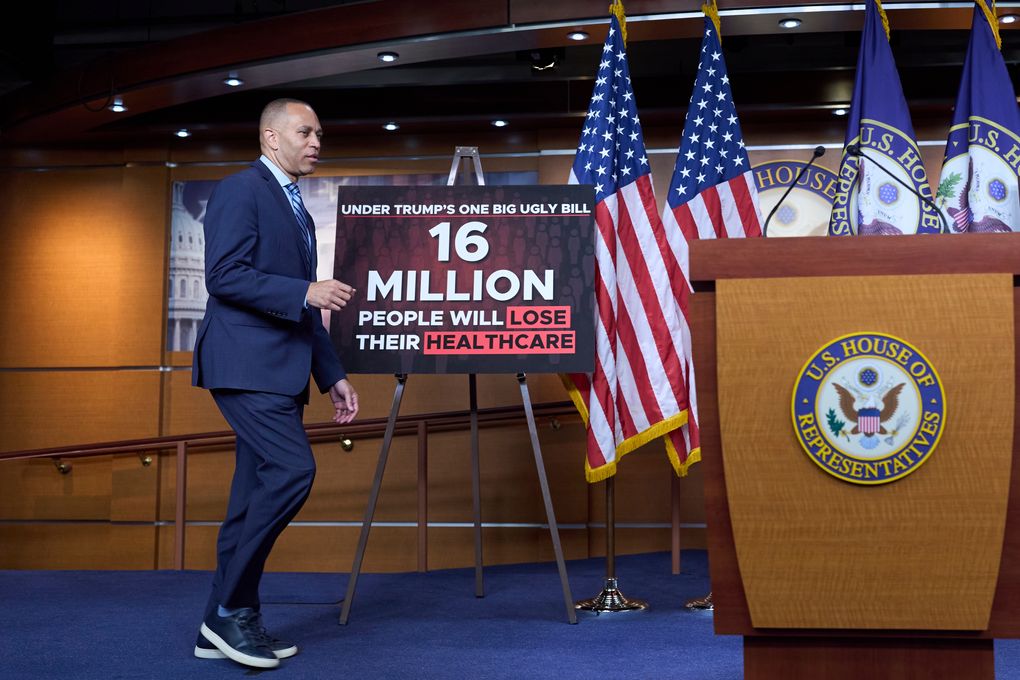
The Republican Party is pushing forward a comprehensive bill aimed at extending tax breaks and making new ones, while also targeting key programs from the Obama and Biden administrations. The bill, which has passed the House and is now heading to the Senate, seeks to preserve tax cuts and introduce new measures like exempting tips from taxes. However, the proposed spending cuts are causing controversy, with estimates suggesting millions could lose health insurance, including undocumented immigrants. Businesses relying on green energy tax breaks are also expressing concerns.
The political landscape is divided, with some Republicans advocating for cuts to Medicaid and other programs, while others are working to protect aspects of Obamacare and green energy tax breaks. The delicate balance of interests within the GOP is complicating the bill's progress through Congress, as leaders navigate competing priorities and limited votes. The bill's impact on deficits and debt is also a point of contention, with budget hawks pushing for steeper reductions.
Despite internal disagreements, Republican senators are working to amend the bill to address their priorities and keep it on track for passage. The push to pass the bill by the Fourth of July reflects the urgency felt by GOP leaders to deliver on their promises. The bill's potential impact on health care access and clean energy initiatives is a central point of debate, with Democrats criticizing it as an Obamacare rollback in disguise.
The proposed changes in the bill include work requirements for Medicaid recipients and adjustments to eligibility verification processes. Republicans argue that these measures are necessary to ensure the program is sustainable and focused on those most in need. The bill's timeline for implementation has been a subject of negotiation, with conservatives pushing for faster spending reductions.
As the bill moves forward, the clash of interests within the Republican Party underscores the challenges of dismantling established government programs and enacting significant policy changes. The outcome of this legislative battle will have far-reaching implications for health care access, clean energy development, and the nation's fiscal future.