Navigating Political Screening in Federal Job Applications: A Closer Look at Recent Hiring Practices
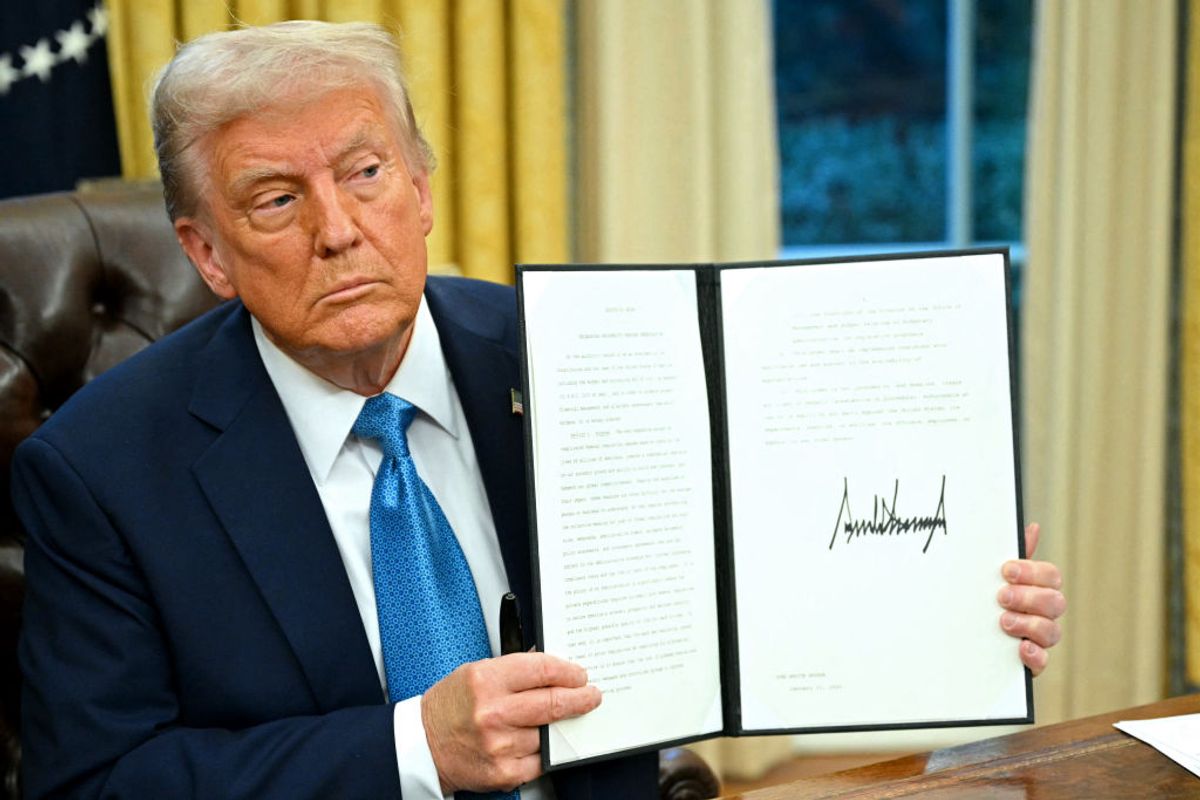
The U.S. Bureau of Labor Statistics reports that over six million Americans are currently seeking employment opportunities. Despite economic uncertainties, the federal government continues to be a prominent employer, offering job openings in various fields such as nursing, actuarial science, physics, engineering, and IT, which can be found on USAJobs.gov. However, applicants may notice a new addition to the application process in 2025, as some federal job forms now inquire about the applicant's alignment with presidential policy priorities, sparking concerns about potential political screening in what are traditionally nonpartisan civil service positions.
As part of a broader federal hiring revamp, the Chief Human Capital Officers Council (CHCOC) has issued guidance that includes questions about how applicants would contribute to the implementation of specific executive orders or initiatives. One of the questions currently in use asks applicants to explain how they would support the administration's emphasis on "merit-based" hiring over previous diversity, equity, and inclusion (DEI) considerations. The administration claims that these changes aim to eliminate political bias and establish a more ideologically cohesive workforce.
Critics view these practices as resembling loyalty tests, especially as questions regarding commitment to the Constitution and the President's policies are included in job applications. Recent layoffs of government employees who were perceived as not sufficiently aligned with the current leadership have raised concerns about the politicization of traditionally apolitical roles within various government agencies.
Drawing parallels to the McCarthy era in the 1950s, where individuals were pressured to demonstrate loyalty to the U.S. government to identify suspected communists, critics argue that these new hiring practices could lead to similar consequences. The focus on personal beliefs rather than actions during that period resulted in widespread dismissals, blacklisting, and surveillance of individuals.
The original intent of civil service roles in the U.S. was to serve the Constitution and the public, rather than individual officeholders. Federal employees take an oath to uphold the Constitution, emphasizing the importance of separating American governance from monarchic or authoritarian systems. Whether the recent hiring guidelines represent a temporary deviation or a permanent shift in the federal workforce remains uncertain. Job seekers interested in federal positions should be prepared to address not only their skills but also their views on presidential policies.
In conclusion, the evolving landscape of federal hiring practices raises concerns about potential political screening in civil service roles. As job applicants navigate the application process, they may encounter questions about their alignment with presidential policy priorities, prompting reflections on the historical significance of loyalty tests and the foundational principles of the U.S. civil service system.