Embracing Identity: David Perry's Journey as a Gay Man in 1980s Washington D.C.
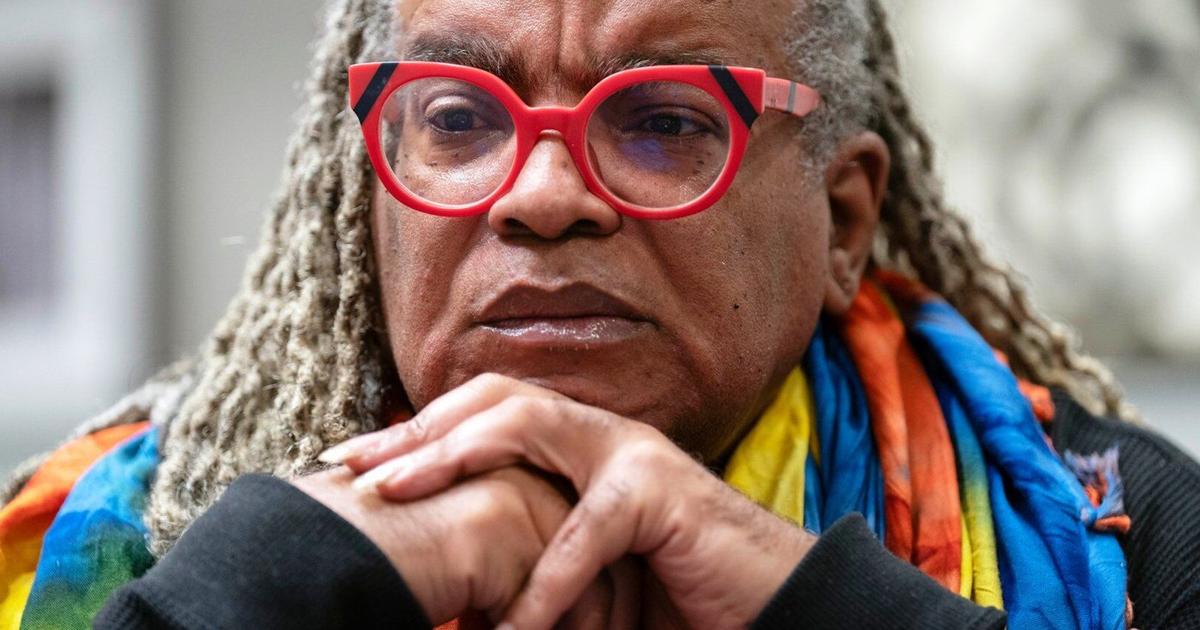
David Perry fondly remembers his youth as a gay man in 1980s Washington D.C., describing it as a time of great enjoyment. Having recently graduated from college and hailing from Richmond, Virginia, he saw the nation's capital as a place where he could freely express his true identity. Working at the National Endowment for the Arts under a gay Republican supervisor, Perry embraced his sexuality and even had his first sexual experience in D.C. on August 27, 1980.
The 1980s were a transformative period for Perry, who found a sense of liberation and community in Washington D.C. as a young gay man. He recalls the vibrant social scene and the opportunity to connect with like-minded individuals who shared his experiences and struggles. The city provided a welcoming environment where he could be his authentic self without fear of judgment or discrimination.
Despite the challenges faced by the LGBTQ community during that era, Perry reflects on the resilience and solidarity that defined the gay scene in Washington D.C. He remembers the sense of camaraderie and support among his peers, as they navigated a society that was not always accepting of their identities. The city served as a sanctuary where individuals could find acceptance and belonging within the LGBTQ community.
Looking back on his formative years in Washington D.C., Perry cherishes the memories of a time when he felt truly alive and connected to his identity as a gay man. The city's vibrant culture and diverse community provided him with a sense of belonging and empowerment, shaping his journey towards self-acceptance and pride. As he reflects on his experiences, Perry remains grateful for the opportunities and relationships that enriched his life during that pivotal period.
In conclusion, David Perry's recollections of his youth as a gay man in 1980s Washington D.C. highlight the transformative impact of the city on his personal journey. Through embracing his true self and finding a supportive community, he discovered a sense of liberation and empowerment that shaped his identity. Washington D.C. served as a beacon of acceptance and belonging for Perry, allowing him to thrive and connect with others who shared his experiences and aspirations.