AI Misuse in Legal Proceedings: Ensuring Accuracy and Upholding Integrity
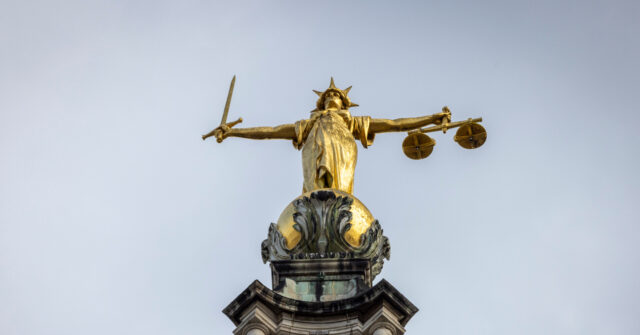
Artificial intelligence (AI) has made its way into court proceedings in England, with lawyers citing fake cases generated by AI tools. High Court justice Victoria Sharp has warned that lawyers could face prosecution if they fail to verify the accuracy of their research. The misuse of AI in legal matters has raised concerns about the administration of justice and public trust in the legal system. In a recent ruling, Sharp and fellow judge Jeremy Johnson reprimanded lawyers in two cases where false information was presented to the court due to the use of generative AI tools.
In a lawsuit involving a breach of a financing agreement with the Qatar National Bank, a lawyer referenced 18 nonexistent cases, leading to misleading information being presented to the court. The client, Hamad Al-Haroun, took responsibility for the inaccuracies produced by publicly available AI tools, rather than his solicitor Abid Hussain. The judges found it concerning that the lawyer relied on the client for accurate legal research. In another case, a lawyer cited five fake cases in a tenant's housing claim against the London Borough of Haringey. Despite denying the use of AI, Barrister Sarah Forey failed to provide a satisfactory explanation for the false information.
The judges referred the lawyers in both cases to their professional regulators for further review but did not impose more severe penalties. Sharp emphasized that presenting false material as genuine could be considered contempt of court or even perverting the course of justice, carrying a maximum sentence of life imprisonment. While acknowledging the benefits of AI as a powerful and useful tool in the legal field, Sharp stressed the importance of oversight and adherence to professional and ethical standards to maintain public confidence in the justice system.
In conclusion, the integration of AI in legal research and proceedings poses both risks and opportunities. It is crucial for lawyers to exercise caution and ensure the accuracy of information generated by AI tools to uphold the integrity of the justice system. Oversight and adherence to regulatory frameworks are essential to mitigate the potential misuse of AI and maintain public trust in the administration of justice.