Veterans Rally Against Trump: Impact on Midterm Elections and Future Political Dynamics
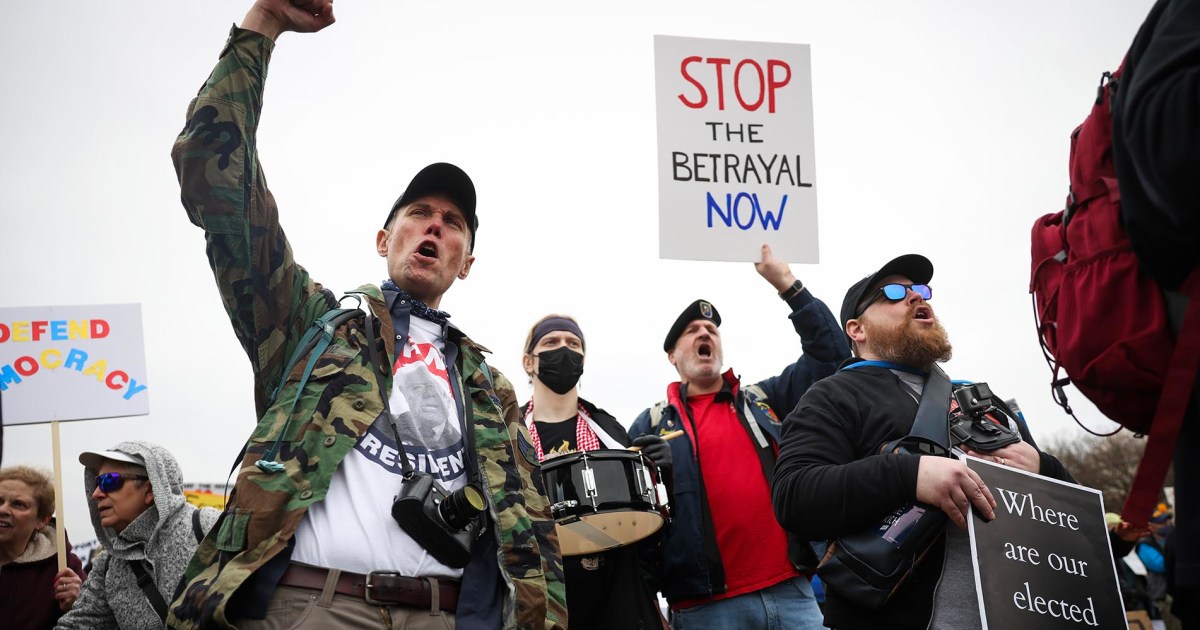
President Donald Trump and congressional Republicans have caused turmoil for America's 16 million veterans over the past six months. The mass firings of federal workers by Trump have led to job losses for many veterans, with more expected to follow. The Department of Veterans Affairs is facing potential job cuts, which could lead to staffing shortages and reduced care levels at VA hospitals.
In response to these challenges, frustrated veterans organized a nationwide rally on June 6, known as D-Day, to protest Trump's policies. The rally, described as one of the largest in decades by advocacy group Unite4Veterans, has the potential to influence the upcoming midterm election. Veterans are questioning their loyalty to the Republican party due to the impact of Trump's VA policies, signaling a shift in political dynamics.
The complexity and size of the VA make it difficult to cut jobs without affecting the quality of care. With nearly 500,000 employees spread across numerous facilities, decisions made at the federal level can lead to job vacancies in remote areas, causing disruptions in services. Emails from VA hospital workers highlight concerns about service cuts and the impact on veterans who rely on the department's medical services.
The GOP's proposed budget cuts could worsen the situation for service members, even those not using VA services. Many active-duty personnel face food insecurity, and Trump's budget plans to cut programs like SNAP, affecting thousands of troops. Veterans feel betrayed by the rebranding of their benefits as government handouts and are increasingly turning to Democrats for support.
Veterans' rising frustrations have caught the attention of Democrats, who see an opportunity to build a new electoral coalition. By engaging with veterans and addressing their concerns, Democrats aim to connect with a voter demographic that has traditionally leaned towards the Republican party. The Washington rally, featuring Democratic leaders with military backgrounds, underscores the party's commitment to supporting veterans and addressing their needs.
As veterans voice their discontent with Trump's policies, Democrats have a chance to mobilize this group of voters and recruit more veterans as congressional candidates in the future. By prioritizing veterans' issues and engaging with this community, Democrats can strengthen their appeal to a key demographic and potentially reshape the political landscape in the years to come.