Unveiling Wikipedia's Alleged Anti-Israel Bias: A Critical Examination of Content and Sources
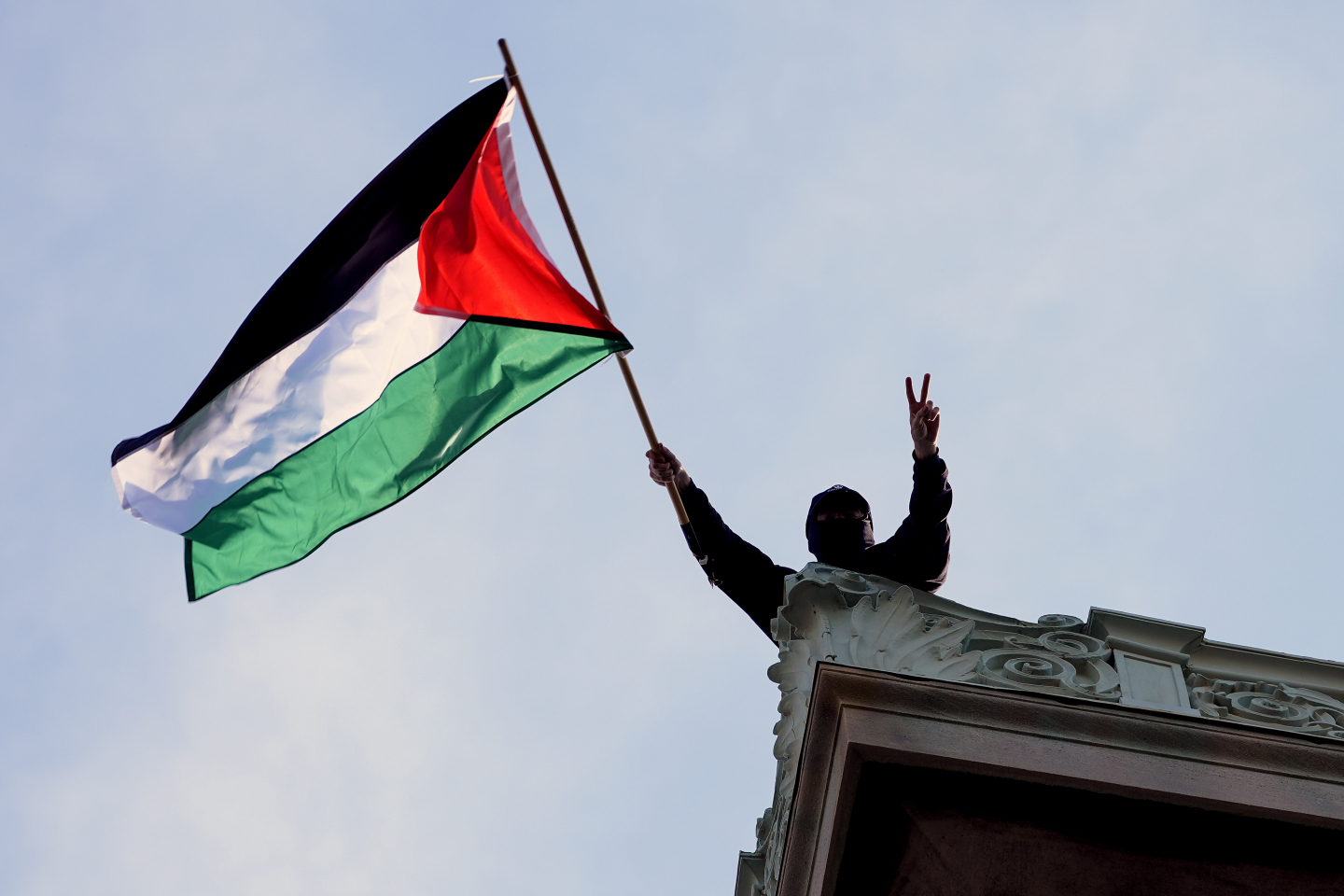
Wikipedia, a widely used online encyclopedia known for its neutral stance, is facing criticism for alleged anti-Israel bias in its content and sources. The controversy stems from entries that highlight anti-Zionist scholars and NGOs while downplaying Israel's defenders. Critics argue that biased entries fuel hatred and fail to present a balanced view. The platform's consensus model, which aims for neutrality, struggles to address the prevalence of left-leaning views that portray Israel negatively. Entries like "Gaza genocide" are criticized for taking sides and lacking balance in presenting the Israeli-Palestinian conflict.
The bias in Wikipedia entries is often evident in the opening lines, which can influence readers' understanding as many do not scroll past the lead. Critics point out that the platform's reliance on editors' views and sources can lead to skewed narratives. The high visibility of Wikipedia articles on search engines like Google and Bing further amplifies the impact of biased content. The platform's association with Google and its efforts to combat misinformation raise concerns about the objectivity of the information presented.
The use of questionable sources, including academics with anti-Israel views, contributes to the perceived bias in Wikipedia entries. Professors like Rashid Khalidi and Ilan Pappé, known for their critical stance on Israel, are cited in articles without providing balancing perspectives. The lack of neutrality in presenting historical events like the Nakba and the 1948 war raises questions about the platform's commitment to objective information. Critics argue that relying on sources with clear biases undermines the credibility of Wikipedia as a reliable source of information.
Comparisons between Hamas and Likud in Wikipedia articles have also drawn criticism for using partisan sources and failing to provide a balanced view. The platform's inclusion of scholars with left-leaning views on Israel without acknowledging opposing perspectives contributes to the perception of bias. Pro-Israel academics face challenges in being cited on Wikipedia, with some entries rejecting their contributions while including sources with anti-Israel sentiments. The double standards in source selection further highlight concerns about the platform's objectivity in presenting information.
In conclusion, the controversy surrounding Wikipedia's alleged anti-Israel bias underscores the challenges of maintaining neutrality in online content. The platform's reliance on editors and sources with varying perspectives raises questions about the objectivity of the information presented. As debates over historical events and political narratives continue, ensuring a balanced and unbiased representation of all viewpoints remains a critical aspect of providing accurate and reliable information to readers.