Trump's Comprehensive Bill Faces Senate Hurdles: Republican Resistance and Elon Musk Criticism
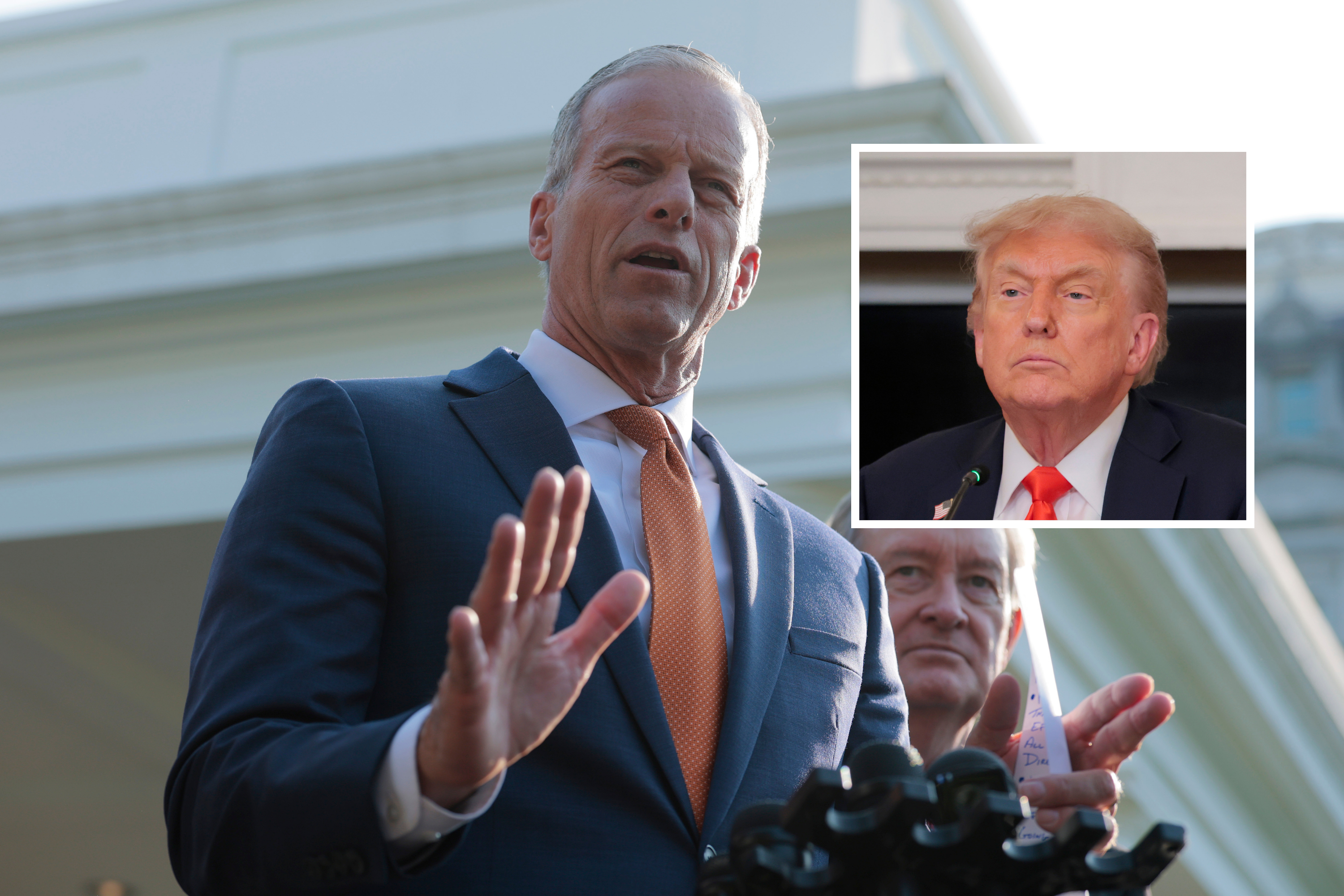
President Donald Trump is pushing for the approval of a comprehensive bill in the Senate, facing resistance from some Republican lawmakers and criticism from Elon Musk. The Republicans have slim majorities in both the House of Representatives and the Senate, making it crucial for the bill to secure enough support for passage. Some senators have expressed concerns about the bill, casting doubt on its approval, especially as Republicans remain divided on key aspects. The Senate is unlikely to pass the bill before July 4th, despite Trump's eagerness to implement significant financial and social policy reforms.
The bill proposed by Trump aims to consolidate various funding needs and policy reforms into a single piece of legislation. It includes provisions for major tax reforms, such as extending the 2017 tax cuts permanently and introducing new deductions for tips, overtime pay, and car loan interest. Additionally, the bill seeks to raise the State and Local Tax (SALT) deduction cap, introduce savings and investment accounts for children born during Trump's second term, and overhaul Medicaid with work requirements and service restrictions.
Education and student loan funding changes are also part of the bill, including heightened eligibility requirements for Pell Grants and increased taxes on private university endowments. The Department of Defense budget would see a $150 billion increase under the proposed legislation. The House of Representatives narrowly passed the bill on May 22, with two Republicans voting against it and one abstaining, while two others did not vote at all.
Congress had to resort to a continuing resolution in March to avoid a government shutdown, giving lawmakers until September to pass a budget. The Senate's use of reconciliation allows for a budget bill to pass with a simple majority, rather than the usual two-thirds requirement. Trump has set a target for the Senate to pass the bill by July 4th, aligning with his patriotic messaging and tying policy decisions to nationalism. Meanwhile, Elon Musk has criticized the bill and its supporters, highlighting concerns about the speed and content of the legislation.
In conclusion, the fate of Trump's ambitious bill remains uncertain as it navigates through the Senate amid internal Republican divisions and external criticism. The proposed legislation encompasses a wide range of financial and social policy reforms, aiming to streamline funding and enact significant changes across various sectors. The timeline for passage and the level of support for the bill will be key factors in determining its success in Congress.