The Future of the Women's Bureau: Advocating for Gender Equality in the Workplace
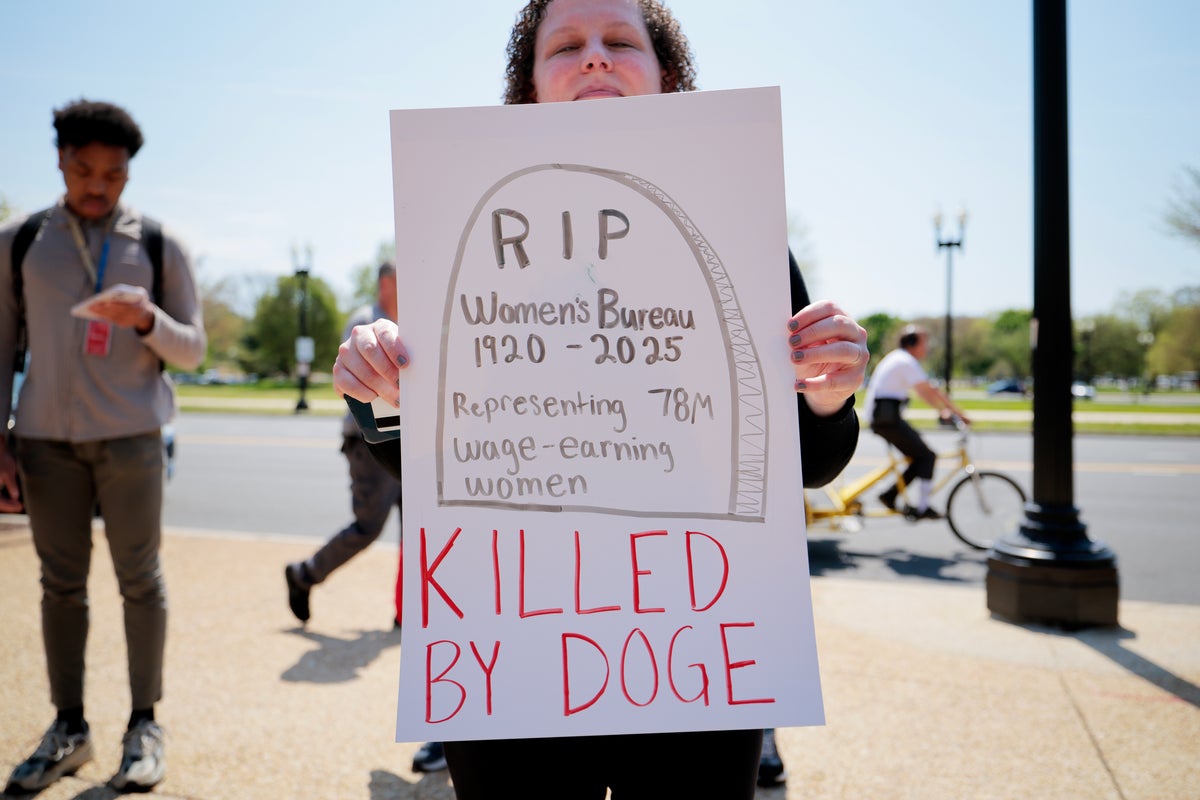
The Department of Labor has announced plans to eliminate the Women’s Bureau, a long-standing department dedicated to advocating for economic equality and safe working environments for women. Despite Secretary Lori Chavez-DeRemer hinting at the bureau's permanence, the 2026 fiscal year budget brief outlines the intention to abolish it, labeling it as outdated and ineffective. The decision to defund the Women’s Bureau is seen as a move by the Trump administration to override Congress and align with its policies.
Established in 1920, the Women’s Bureau is the sole federal agency tasked with representing the interests of working women. It conducts research, policy analysis, and grant management to promote better working conditions, increased job opportunities, and gender equality in the workforce. The bureau's role includes advocating for high-paying jobs for women, access to paid leave and affordable child care, and addressing workplace harassment and pay disparities.
The Women’s Bureau's potential closure has raised concerns among current and former Department of Labor staff, who fear it may signal a push for women to leave the workforce and focus on caregiving at home. Critics argue that the bureau plays a crucial role in identifying workplace barriers for women and ensuring their full participation in various job sectors. Despite the administration's stance, advocates emphasize the ongoing need for the Women’s Bureau to address gender-related challenges in the workplace.
In conclusion, the Department of Labor's decision to eliminate the Women’s Bureau reflects a shift in priorities and policies within the current administration. While the bureau's future remains uncertain, its longstanding commitment to advancing women's rights and opportunities in the workforce underscores the importance of continued advocacy for gender equality and workplace empowerment.