Supreme Court Allows Social Security Data Sharing: Balancing Privacy and Government Efficiency
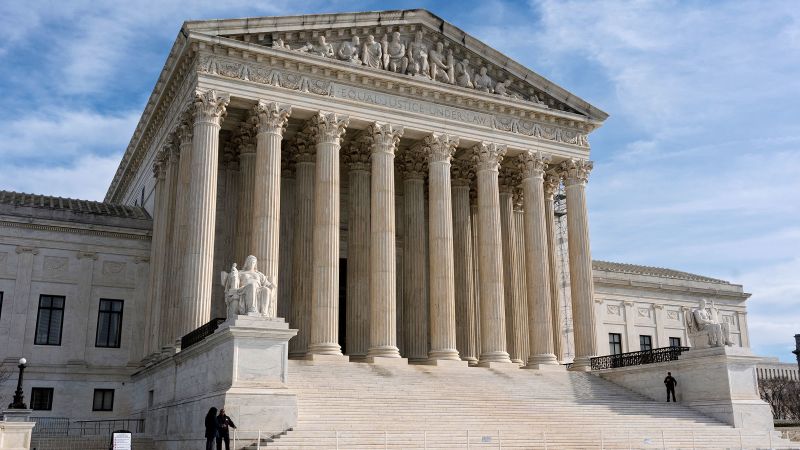
The Supreme Court has overturned a lower court ruling that blocked the Social Security Administration from sharing its sensitive data with affiliates of the Department of Government Efficiency. This decision, a victory for the Trump administration, allows the Department of Government Efficiency to access information on millions of Americans to combat fraud and modernize systems. Critics view this move as a potential fishing expedition, raising concerns about privacy and data security.
In an unsigned order, the court stated that the Social Security Administration can grant access to members of the SSA DOGE Team to the agency's records for their work. However, three liberal justices – Sonia Sotomayor, Elena Kagan, and Ketanji Brown Jackson – dissented from the decision. Jackson expressed concerns about DOGE staffers having access to sensitive personal data without proper legal assessment.
The dissenting justices highlighted the government's push to provide DOGE with unrestricted access to personal, non-anonymized information before the legality of such access is fully evaluated by the courts. This move has sparked controversy and raised questions about the potential risks associated with granting such broad access to sensitive data.
The Supreme Court's ruling comes at a time when there is ongoing tension between President Donald Trump and Elon Musk, the former leader of DOGE. Musk played a significant role in the White House's efforts to streamline and transform the federal government using DOGE as a key tool. The evolving situation underscores the complex interplay between technology, government efficiency, and data privacy.
As this story continues to develop, stay tuned for updates on the implications of the Supreme Court's decision and the broader implications for data privacy and government operations. The balance between combating fraud and protecting individual privacy remains a critical issue that will likely shape future debates and policy decisions.