Mahmoud Khalil Speaks Out: The Emotional Toll of Immigration Detention and False Accusations
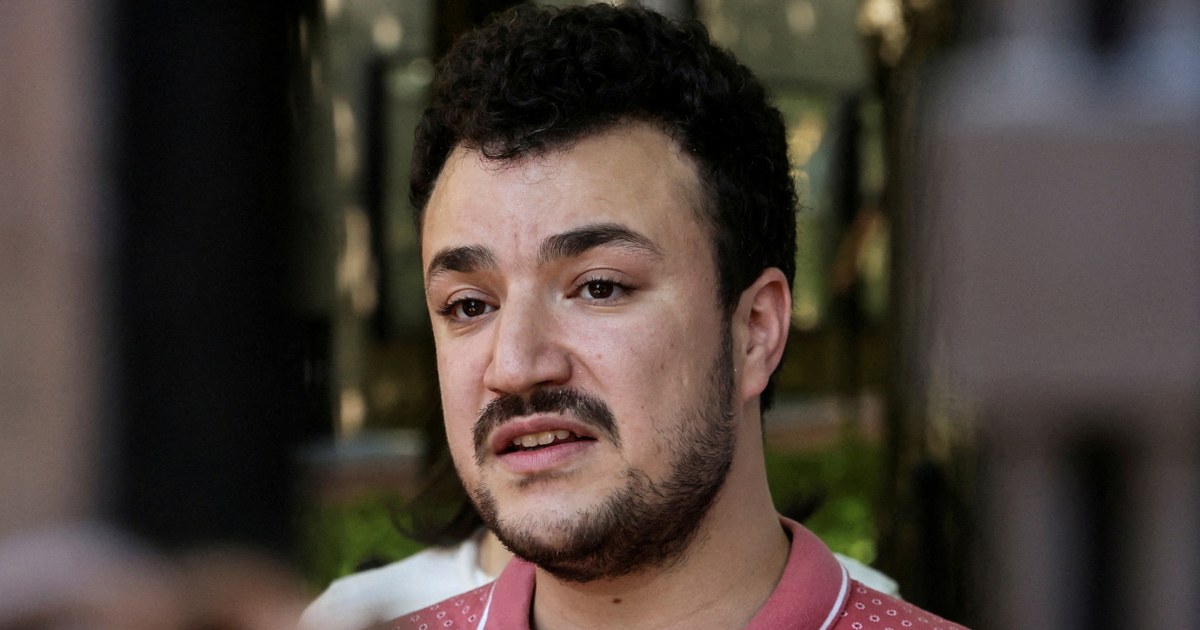
Mahmoud Khalil, a student at Columbia University, has spoken out for the first time about the impact of his arrest by immigration authorities. He expressed the emotional toll his detention has taken on him and his family, particularly during the birth of his son, Deen. Khalil's wife, Dr. Noor Abdalla, was denied his presence at the birth, and he described the heart-wrenching experience of being separated from his family during such a significant moment in their lives.
Khalil, who was detained in March, criticized the White House and President Donald Trump for what he called "grotesque and false" accusations made against him. He was targeted for deportation due to his involvement in organizing pro-Palestinian events on campus. Currently held in a facility in rural Louisiana, Khalil expressed the devastation of not being able to be with his family and the impact on his reputation and career aspirations.
The Department of Homeland Security defended its actions, stating that advocating violence and supporting terrorism should result in the revocation of privileges to live and study in the United States. Khalil was granted a contact visit with his family before his court appearance and has been given the option of self-deportation. The Department of Justice and ICE did not provide immediate comments on the situation.
Khalil described the humiliation of seeing his image circulated by the U.S. government with false accusations and inflammatory language. He emphasized that the allegations against him are untrue and rooted in racism. His attorney highlighted the damage to Khalil's reputation and career prospects, noting that a job offer at Oxfam International was rescinded following his arrest.
The impact of Khalil's detention extends beyond his personal suffering to the harassment faced by his family. He emphasized the false nature of the accusations against him and the detrimental effects on his professional aspirations. The ongoing legal battle and public scrutiny have significantly affected Khalil's life and future opportunities.