Legal Battle Over Trump's Election Directive: States Challenge Executive Order in Court
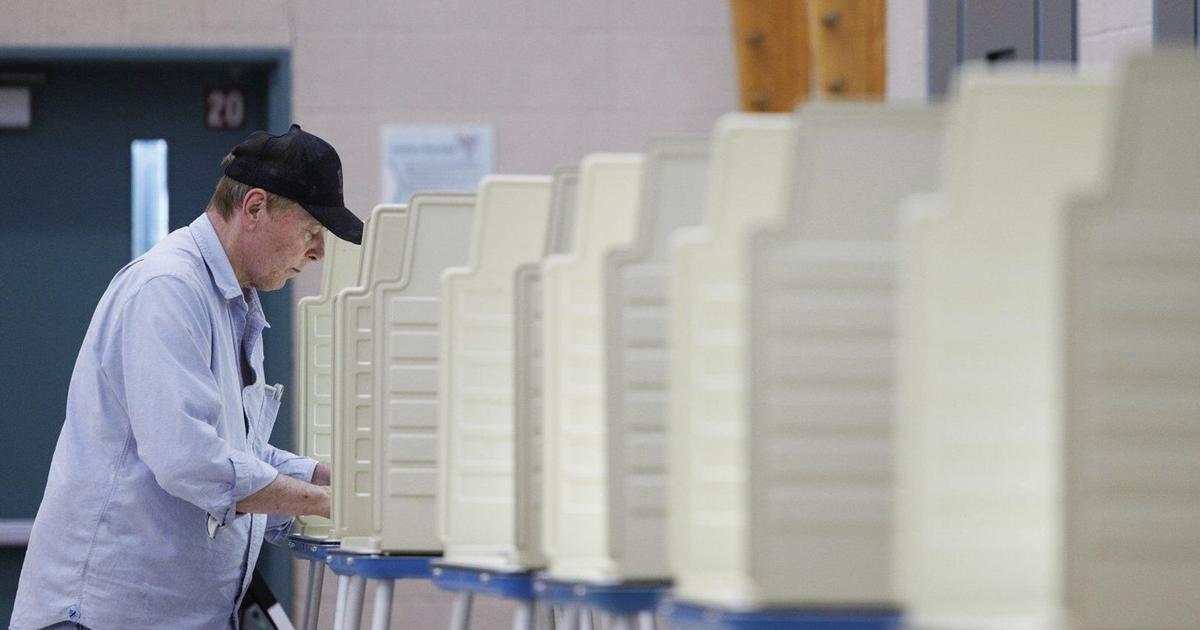
Democratic state attorneys general are challenging President Donald Trump's executive order that aims to overhaul U.S. elections, arguing that it infringes on states' rights to set their own election rules. The lawsuit filed by 19 states contends that the order exceeds the executive branch's authority and undermines the constitutional separation of powers. Former secretaries of state also support the challenge, warning that the order would give the president unprecedented control over election policies.
Trump's directive includes provisions such as requiring proof of U.S. citizenship for voter registration, setting strict ballot deadlines, and restricting non-U.S. citizens from donating in certain elections. The order has faced legal challenges in multiple lawsuits, with critics arguing that it could disenfranchise eligible voters and disrupt the established election system. The hearing in U.S. District Court in Boston is a pivotal moment in the legal battle over the executive order.
The controversy surrounding Trump's election directive stems from his claims of widespread voter fraud in the 2020 presidential election, despite evidence to the contrary. The order's impact on mail-in voting, voter registration requirements, and federal election grant funding has sparked concerns about its potential consequences for the democratic process. The court's decision on the lawsuit will have far-reaching implications for the future of U.S. elections and the balance of power between the federal government and states.
In the face of mounting legal challenges, the Trump administration has defended the executive order as a necessary measure to ensure the integrity of elections. The Justice Department argues that the president has the authority to direct federal agencies to enforce voting laws and prevent fraud. However, critics contend that the order's provisions could disenfranchise eligible voters, particularly those who face barriers to obtaining the required documentation.
As the legal battle over Trump's election directive unfolds, the outcome will shape the landscape of U.S. elections and the balance of power between the federal government and states. The case highlights the ongoing debate over voting rights, election integrity, and the role of the executive branch in shaping election policies. The court's decision will determine whether the president's authority extends to directing federal agencies on election matters and whether states retain the autonomy to set their own election rules.