Ensuring Ethical Organ Donation Practices: Lessons from Kentucky Investigation
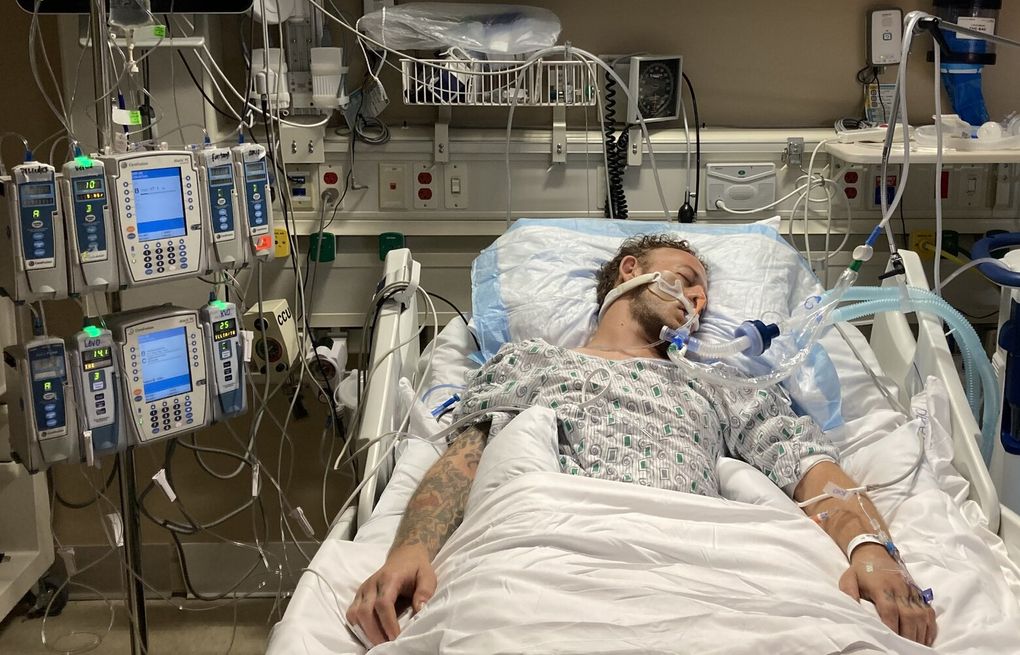
A man in Kentucky who was about to have his organs donated showed signs of consciousness, but officials proceeded with the donation process. A federal investigation revealed that this was not an isolated incident and that many other potential donors also exhibited signs of alertness that were ignored. The investigation looked into 350 cases over four years in Kentucky where organ removal plans were canceled, finding that in 73 cases, officials should have stopped the process earlier due to patients showing signs of consciousness.
The investigation focused on the practice of "donation after circulatory death," where patients have some brain function but are not expected to recover. The nonprofit organization coordinating donations in Kentucky, now called Network for Hope, was criticized for pressuring families to authorize donations, taking over cases from doctors, and pushing for surgery even when patients showed signs of awareness. The investigation flagged 103 cases with concerning features, noting that issues were more likely to occur at rural hospitals.
The federal regulators have instructed the Kentucky organization to increase staff training and conduct neurological assessments on potential organ donors every 12 hours. The organization stated that they would comply with the recommended changes. The federal inquiry began after a congressional committee heard about a case where a man, Anthony Thomas Hoover II, showed signs of consciousness during the donation process. The investigation found that the procurement organization continued with the process despite his improving neurological condition.
The investigation highlighted the need for better adherence to protocols and increased awareness of potential donors' neurological status. The Kentucky organization has committed to implementing the suggested changes to ensure the safety and well-being of potential organ donors. It is crucial to prioritize the well-being of patients and ensure that the donation process is carried out ethically and responsibly.