Challenges and Resilience: The Quad Cities National Weather Service Office in the Face of Staff Shortages and Budget Cuts
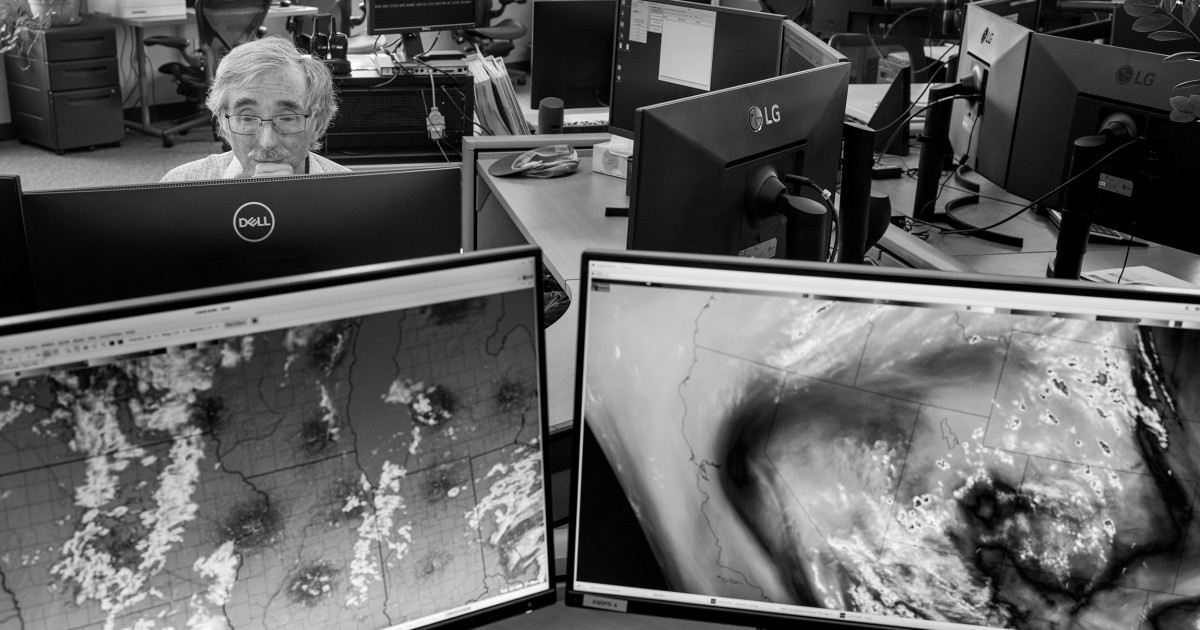
The Quad Cities National Weather Service office in Davenport, Iowa, is facing challenges due to staff shortages and budget cuts. Despite the vacancies in key positions and a reduced workforce, the office is striving to fulfill its critical mission of providing accurate weather forecasts and warnings, especially in tornado-prone areas like Tornado Alley. The recent tornadoes that hit the region underscore the importance of the office's work in safeguarding lives and property.
The Trump administration's layoffs of probationary workers have led to deep cuts in staffing levels at National Weather Service offices nationwide, including the Quad Cities office. The lack of resources and personnel has raised concerns about the office's ability to effectively monitor and respond to severe weather events. The administration's plans to refill some NWS roles have been met with skepticism, prompting bipartisan efforts in Congress to protect and fund these critical public safety positions.
The Quad Cities forecasting office, responsible for Iowa and Illinois, is grappling with the impact of staffing reductions on its operations. The absence of a hydrologist and other key personnel has strained the office's capabilities, raising questions about its long-term sustainability. The office's reliance on temporary assignments and assistance from visiting NWS staffers highlights the challenges it faces in maintaining essential services.
The National Weather Service plays a vital role in collecting and analyzing real-time weather data to provide accurate forecasts and warnings to the public. The recent cuts and proposed changes to NWS operations have sparked concerns about the agency's ability to fulfill its mission effectively. The bipartisan support for legislation to classify NWS employees as critical public safety workers reflects the growing recognition of the importance of maintaining adequate staffing levels and resources within the agency.
Despite the challenges facing the Quad Cities National Weather Service office, meteorologists like Alex Gibbs continue to work diligently to issue timely warnings and alerts during severe weather events. The dedication and expertise of NWS staff are crucial in ensuring the safety and well-being of communities in the face of natural disasters. The recent approval of new hires and efforts to stabilize frontline operations are positive steps, but more support is needed to address the ongoing staffing shortages and operational challenges within the agency.
In conclusion, the Quad Cities National Weather Service office is navigating a period of uncertainty and change as it strives to fulfill its critical mission of providing accurate weather forecasts and warnings. The challenges posed by staffing shortages and budget cuts underscore the importance of supporting and investing in the agency to ensure the safety and resilience of communities across the country. Efforts to address the staffing issues and enhance the capabilities of the National Weather Service are essential in safeguarding lives and property in the face of increasingly severe weather events.