Challenges and Concerns: Impact of Pentagon Personnel Cuts on Defense Oversight and Evaluation
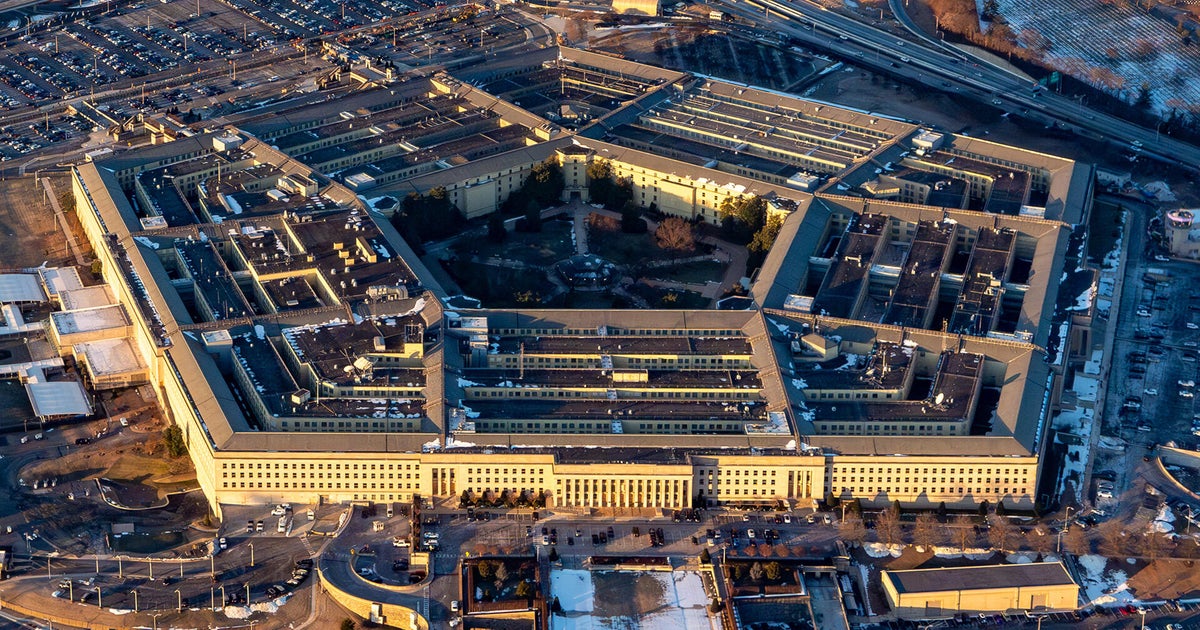
Defense Secretary Pete Hegseth's recent personnel cuts in the Pentagon office responsible for weapons testing have had significant repercussions, including the termination of all tasks for the Pentagon's Office of the Director of Operational Test and Evaluation (DOT&E) at the Institute for Defense Analyses (IDA). This decision has raised concerns about potential layoffs at IDA, a Pentagon-funded think tank that provides technical expertise and analysis to support the weapons testing office. The loss of funding has forced IDA to reassess its staffing levels and operations, impacting the organization's ability to continue its work effectively.
Established in 1983, DOT&E plays a crucial role in evaluating the performance of Pentagon weapon systems under real-world conditions. The office, along with IDA, ensures that no weapon system can proceed to full production without proper evaluation and approval. However, Hegseth's recent cuts to the weapons testing office, citing redundancy and nonessential functions, have led to a significant reduction in the civilian workforce and the termination of contractor support, including IDA's services. While the cuts are expected to save the Pentagon over $300 million annually, they have raised concerns about the office's ability to fulfill its oversight duties effectively.
The impact of Hegseth's directive on IDA's workforce and ongoing programs remains uncertain. IDA leadership has acknowledged the challenges posed by the funding cuts and is evaluating the situation to determine the best course of action. The reduction in workforce size at IDA, while a difficult decision, reflects the organization's need to adapt to the changing circumstances resulting from the Pentagon's budget cuts.
The cuts to DOT&E and IDA have raised concerns among experts and lawmakers about the office's ability to fulfill its congressional obligations and provide effective oversight of defense acquisition programs. The reduction in resources and workforce size may hinder the office's ability to carry out its testing and evaluation responsibilities, potentially impacting the quality of oversight and reporting on the performance of Pentagon weapon systems. As stakeholders continue to assess the implications of the funding cuts, the future of DOT&E and IDA's operations remains uncertain.
In conclusion, the recent personnel cuts in the Pentagon's weapons testing office and the termination of tasks at IDA have raised concerns about the impact on defense oversight and evaluation processes. The decision to reduce the civilian workforce and end contractor support has prompted IDA to reassess its operations and staffing levels, highlighting the challenges posed by the funding cuts. As stakeholders evaluate the implications of these changes, the future of DOT&E and IDA's critical work in evaluating Pentagon weapon systems remains uncertain.