Balancing Clean Air and Costs: Proposed Regulations for Gas-Powered Appliances in Southern California
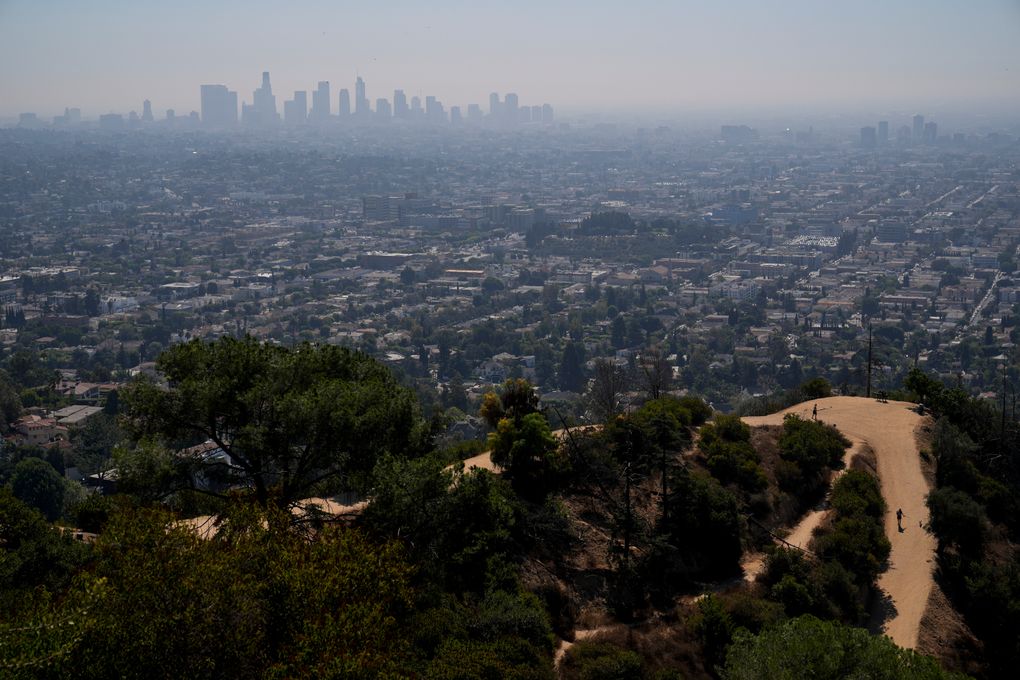
The South Coast Air Quality Management District in Southern California is considering new rules to reduce harmful emissions from gas-powered furnaces and water heaters. These rules target nitrogen oxides (NOx), which are pollutants linked to respiratory issues and climate change. If passed, the rules could prevent premature deaths and asthma cases in the region. The regulations aim to phase out the sale of gas-powered appliances, starting in 2027 and increasing over time. Manufacturers would face fees for selling gas-powered appliances, impacting millions of buildings and appliances.
Supporters of the rules believe they will improve air quality and public health, while opponents fear increased costs for consumers and businesses. The regulations have been amended from the original proposal to address concerns from gas companies and other businesses. The rules would not be mandated, but manufacturers would face fees for selling gas-powered appliances. The regulations could impact over 10 million appliances in an estimated 5 million buildings, with a focus on residential buildings.
During a recent board meeting, clean air advocates expressed their support for the rules, emphasizing the importance of clean air and environmental justice. Some community members shared personal experiences of health issues related to air pollution. However, opponents, including property owners and industry professionals, raised concerns about potential financial burdens on residents and businesses. The board is considering the potential impact of the rules on energy bills and overall costs for consumers.
The proposed rules have sparked a debate between those advocating for cleaner air and environmental justice and those concerned about the economic implications of the regulations. The South Coast Air Quality Management District is working to strike a balance between reducing harmful emissions and addressing the concerns of stakeholders. The decision on these rules will have significant implications for air quality and public health in Southern California.