Wildfires in Canada Impacting Air Quality in Northern U.S.: Health Risks and Climate Change Concerns
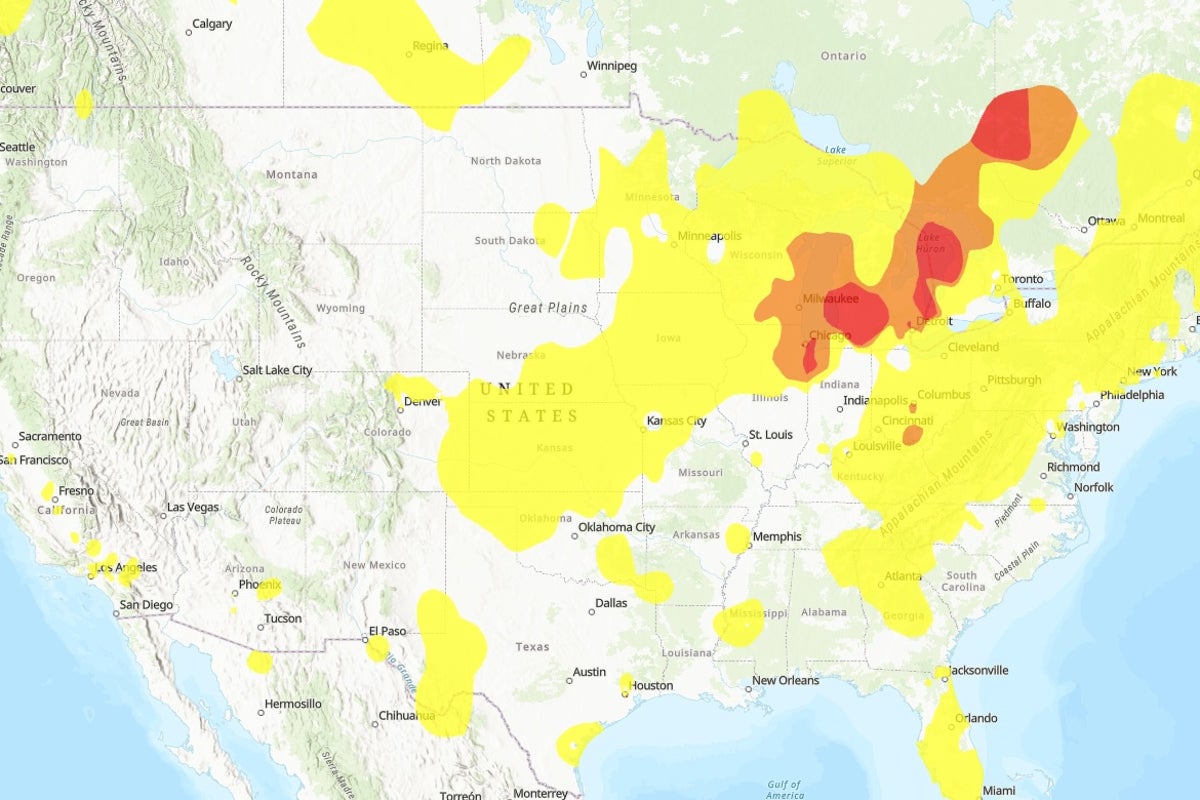
Wildfires in Canada are causing poor air quality in the northern United States, with smoke turning skies orange and prompting air quality alerts in New York and Chicago. The particle pollution from the wildfires can have adverse effects on health, particularly for sensitive groups. Residents are advised to limit time spent outdoors to avoid potential health risks. The smoke haze is also contributing to ozone pollution, which can be irritating to those with respiratory issues.
The wildfires in Canada have burned over 6.4 million acres this year, with more than 200 active fires currently raging. The fires have led to the deaths of two people and forced tens of thousands to evacuate, prompting states of emergency in Mantiboa and Saskatchewan. The impact of climate change is exacerbating the wildfire situation, with hotter and drier conditions fueling the flames each year.
As the smoke from the wildfires continues to affect the northern U.S., it is expected to move southward and potentially collide with a large plume of Saharan dust. This combination could further impact air quality in the region. The situation underscores the urgent need for climate action to address the increasing frequency and intensity of wildfires worldwide.
In conclusion, the wildfires in Canada are not only affecting air quality in the northern U.S. but also highlighting the broader impact of climate change on natural disasters. It is crucial for governments and individuals to take proactive measures to mitigate the effects of wildfires and address the underlying causes of climate change.