Senator John Thune's Concerns About National Debt and Trump's Tax Plan: A Call for Bipartisan Action
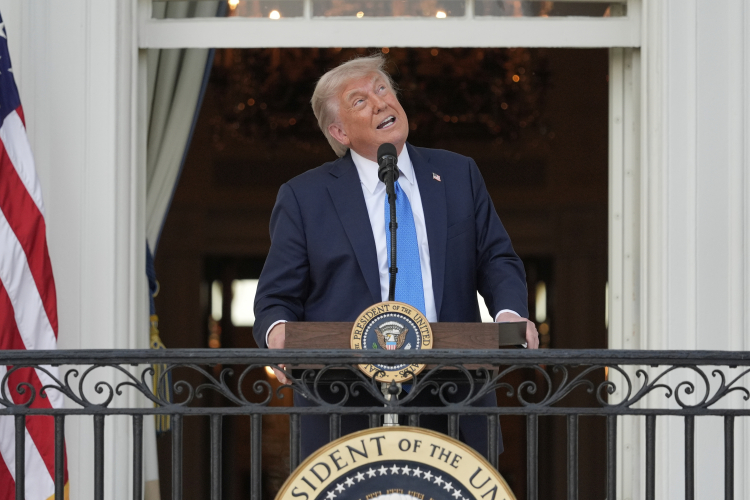
Senator John Thune expressed concerns about the national debt at a Rotary Club event in South Dakota, emphasizing the need for bipartisan action to address the issue. As the Senate Majority Leader, Thune is now tasked with passing President Trump's proposed tax plan, which could significantly increase the country's debt. Critics argue that the plan lacks fiscal responsibility and could lead to inflation and higher interest rates, impacting families and businesses. Despite opposition from some Republican senators like Rand Paul, the bill continues to face scrutiny for its potential economic consequences.
The growing national debt, currently exceeding $35 trillion, has raised alarm bells among economists and credit rating agencies. The United States' credit rating has been downgraded, signaling potential economic instability. Rising debt, coupled with Trump's tariffs, could slow economic growth and increase inflation. The proposed tax plan, which favors tax cuts for the wealthy while cutting benefits for working families, has sparked public outrage. Despite calls for debt reduction from voters and warnings from experts, Congress appears determined to push forward with the bill, ignoring the long-term consequences.
Critics of the tax plan argue that it fails to address the debt issue effectively and relies on unrealistic projections. Speaker Mike Johnson's claims of debt reduction have been refuted by the Congressional Budget Office, which predicts a significant increase in debt. The plan also raises concerns about potential cuts to essential benefits like Medicaid, affecting millions of Americans. Meanwhile, Trump's tariffs continue to impact consumer prices, leading to higher costs for everyday goods. The lack of action from Congress on these pressing issues could result in negative consequences for working Americans, who may face financial hardships as a result.
The recent Moody's downgrade serves as a stark warning for the United States to address its fiscal challenges. However, Congress's current approach to economic policy seems to exacerbate rather than alleviate the debt problem. By prioritizing tax cuts for the wealthy over the well-being of working families and future generations, the proposed tax plan could have detrimental effects on the country's economic stability. As the debate over the bill continues, it remains crucial for policymakers to consider the long-term implications and prioritize sustainable fiscal policies that benefit all Americans.