Resilience and Unity: Observing Eid al-Adha in Gaza Amidst Conflict and Hardship
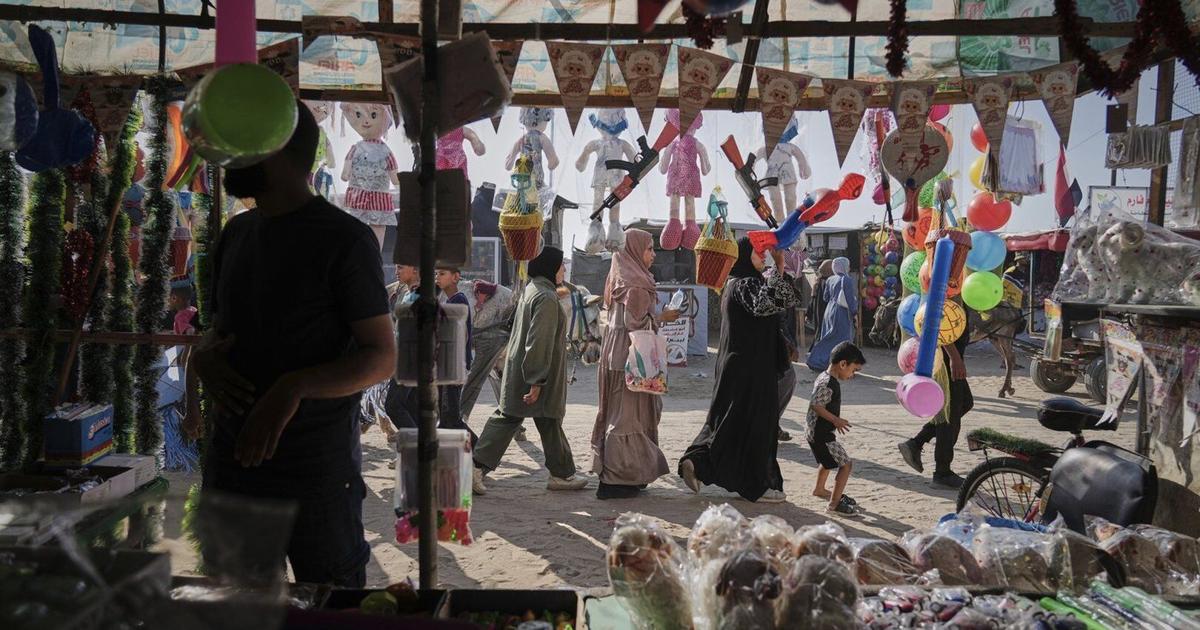
In the midst of the challenges posed by war and siege in the Gaza Strip, Palestinians faced difficulties in observing Eid al-Adha, a significant Islamic holiday. Eid al-Adha, also known as the Festival of Sacrifice, involves the ritual slaughter of a sheep or cow, with a portion of the meat distributed to the less fortunate as an act of generosity. Families typically gather for a festive meal, accompanied by sweets, and children receive new clothes as gifts.
The ongoing conflict and economic hardships in Gaza have made it challenging for Palestinians to fully engage in the traditional celebrations of Eid al-Adha. The devastation caused by war and the blockade has exacerbated the already dire living conditions in the region, making it difficult for families to afford the sacrificial animals and festive meals that are customary during the holiday.
Despite the obstacles they face, Palestinians in Gaza have shown resilience and determination to uphold the spirit of Eid al-Adha. Many have found ways to adapt their celebrations to the current circumstances, emphasizing the importance of charity and community support during these challenging times. The holiday serves as a reminder of the strength and unity of the Palestinian people in the face of adversity.
As Palestinians in Gaza navigate the difficulties brought about by conflict and siege, the observance of Eid al-Adha takes on a deeper significance. It serves as a symbol of hope and solidarity, highlighting the resilience of the community in the face of adversity. Despite the challenges they face, Palestinians in Gaza continue to uphold the traditions and values of Eid al-Adha, emphasizing the importance of compassion, generosity, and unity during these trying times.