Immigration Officers in Djibouti: Challenges and Legal Battles
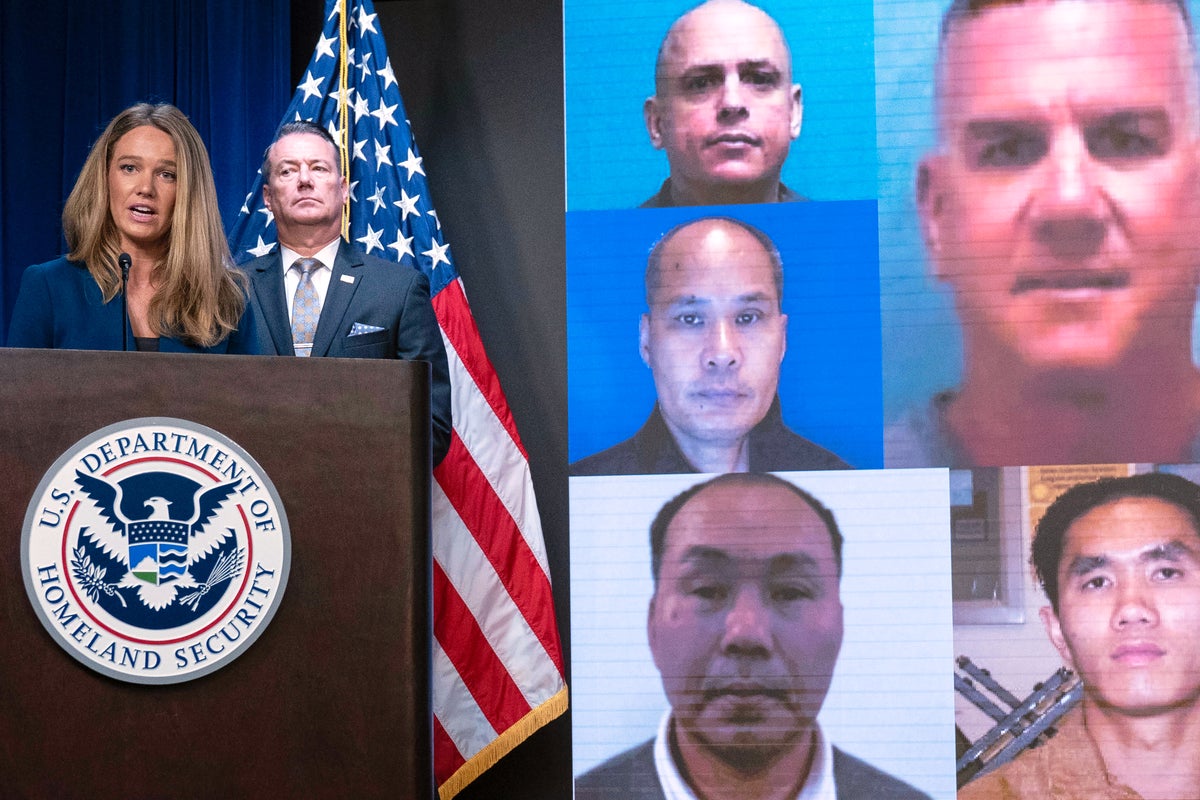
A team of immigration officers is currently stationed in a small east African country, facing challenges such as smog from burn pits, malaria risk, and chronic respiratory illnesses. These officers are working long shifts to guard a group of detainees who were supposed to be deported to South Sudan but were halted by a judge due to due process concerns. The judge allowed the detainees to stay in U.S. custody in Djibouti for a "reasonable fear interview" to assess their risk of persecution or torture in South Sudan. The Trump administration, which initially requested to hold the deportees in Djibouti, is now criticizing the judge for putting the officers' health and safety at risk.
The immigration officers and detainees are currently housed in Camp Lemonnier, a U.S. military base in Djibouti, where conditions are challenging. The officers are facing limited sleeping quarters, exposure to malaria, and respiratory issues due to the smog from burn pits nearby. The use of Department of Defense resources for immigration operations is causing disruptions and consuming critical military resources. Additionally, the officers are at risk of rocket attacks from terrorist groups in Yemen without proper protective gear.
Judge Murphy, who was appointed by President Joe Biden, has been accused by the Trump administration of creating chaos in the case and protecting criminal immigrants. Despite facing criticism, Murphy emphasized the importance of due process and the rule of law in handling the class-action case involving the deportees challenging their removal. The administration has sought Supreme Court intervention to continue deporting individuals to South Sudan.
In conclusion, the immigration officers in Djibouti are facing challenging conditions while guarding detainees awaiting deportation. The legal battle surrounding the due process rights of the deportees highlights the complexities of immigration enforcement and the importance of upholding legal principles in such cases.