Geopolitical Tensions Escalate as Iran Prepares Counter-Proposal to U.S. Nuclear Offer
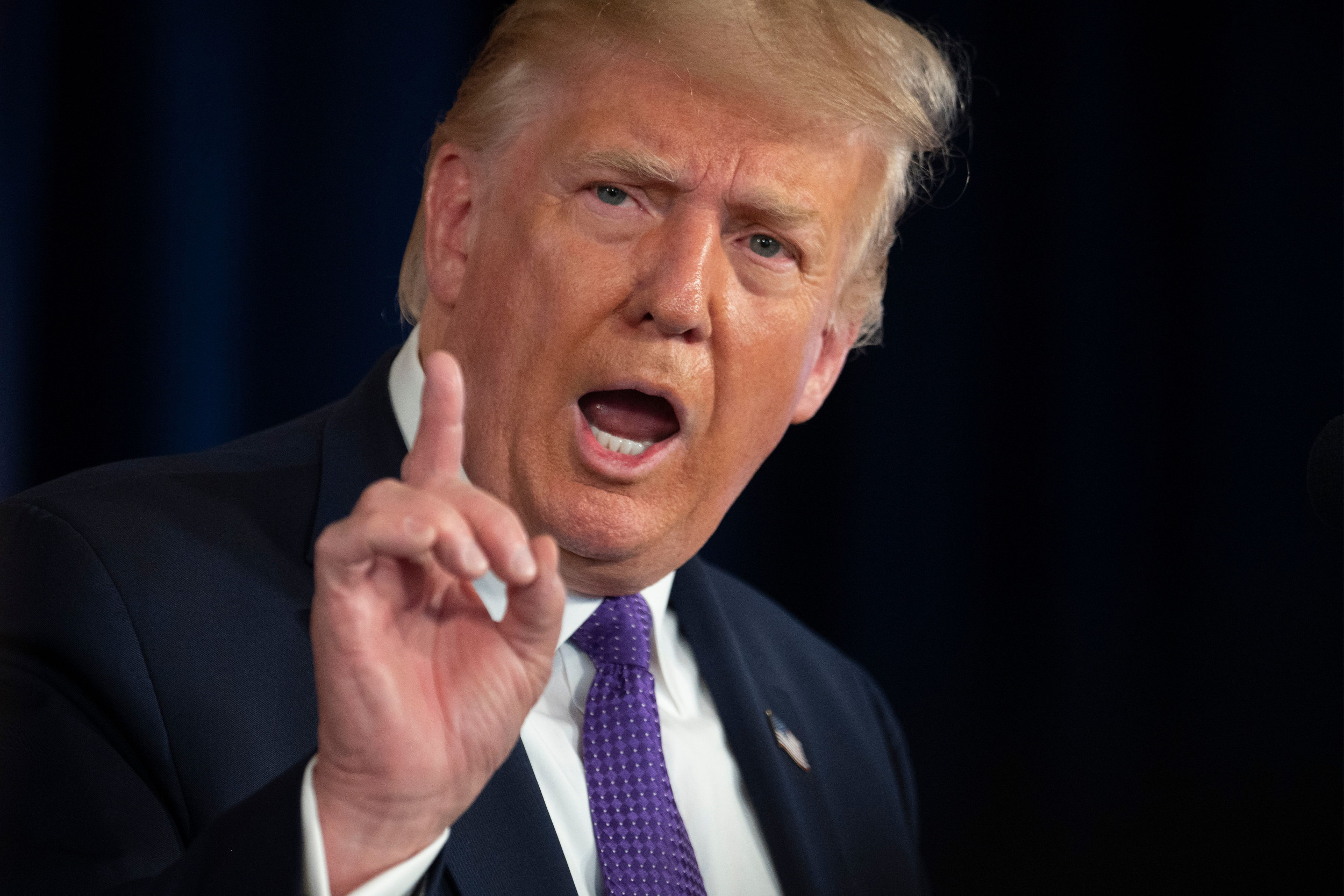
Iran is currently working on a response to the latest U.S. offer on its nuclear program, with a senior Iranian official criticizing the American plan as inadequate. The U.S. proposal, which fails to address the lifting of sanctions, has prompted Iran to draft a counter-proposal. President Donald Trump has warned that time is running out for Iran to make a decision on its nuclear ambitions and suggested that Russian President Vladimir Putin may join the negotiations. The renewed push for negotiations highlights the urgency of the situation, as the U.S. aims to limit Iran's uranium enrichment while Tehran insists on economic concessions. The geopolitical stakes are rising, with Trump characterizing Iran's delay as deliberate and adding pressure to find a diplomatic solution. Iran's emphasis on its "natural rights" could complicate efforts to reach an agreement.
Ali Shamkhani, a top advisor to Iran's Supreme Leader, criticized the U.S. proposal as poorly constructed and lacking essential elements. He emphasized that Iran is preparing a new counter-proposal in response to the American offer. Shamkhani highlighted the absence of sanctions relief as a major flaw in the U.S. plan and reiterated Iran's stance on not giving up uranium enrichment, a crucial aspect of its nuclear program. Trump, on the other hand, accused Iran of stalling the decision-making process and stressed the need for a definitive answer within a short timeframe. He also mentioned the possibility of Putin's involvement in the negotiations following a discussion between the two leaders.
The U.S. and Iran have resumed nuclear talks this year, facilitated by Oman and Italy, to revive or replace the 2015 Joint Comprehensive Plan of Action (JCPOA). The JCPOA was a significant agreement between Iran and six world powers, including the U.S., aimed at limiting Iran's nuclear program in exchange for sanctions relief. Trump's unilateral withdrawal from the deal in 2018 led to the current impasse, with Iran demanding full sanctions relief and the right to continue uranium enrichment, while the U.S. seeks stricter controls on Iran's nuclear activities. Amid the deadlock, Iran has increased its enriched uranium stockpile, raising international concerns.
Iran is expected to present its counter-proposal soon, setting the stage for further diplomatic efforts that may involve Russia. The urgency of the situation underscores the need for a swift resolution to Iran's nuclear future, as both sides navigate core disagreements and seek a path forward in the negotiations.