Emperor Naruhito's Tribute to Fallen Soldiers: Honoring Okinawa's History
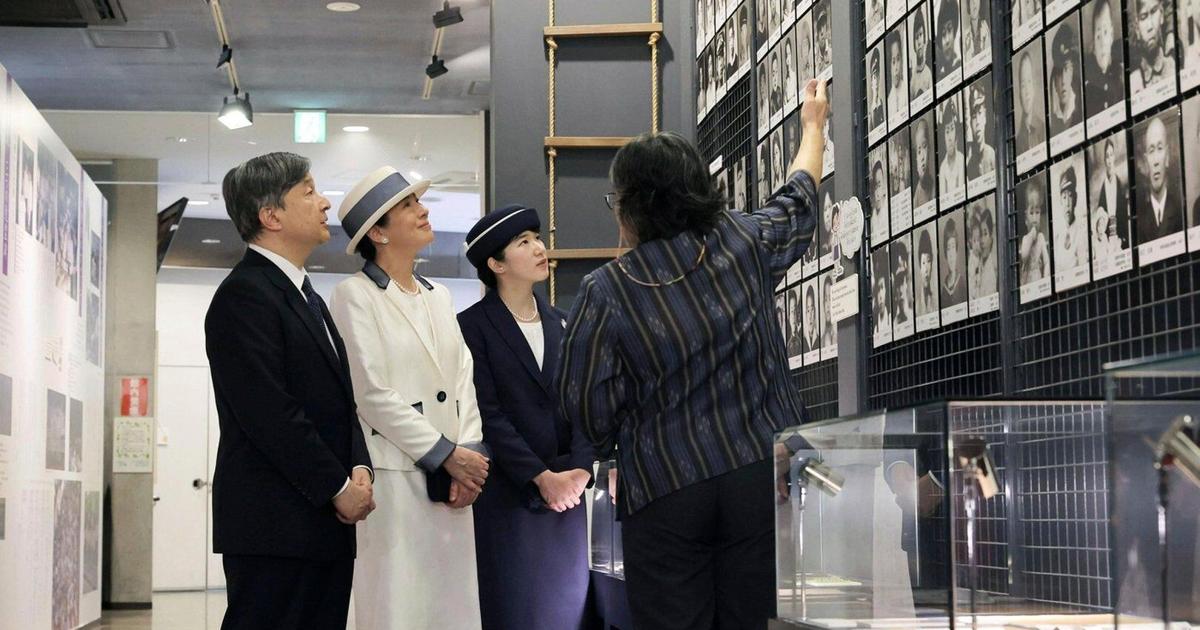
Japan's Emperor Naruhito and his family recently traveled to Okinawa to pay their respects to the fallen soldiers before the 80th anniversary of a significant World War II battle. This marked the seventh visit to Okinawa for Emperor Naruhito, who was accompanied by his wife and daughter on the trip. The former Emperor Akihito, who is 91 years old, had a special connection to Okinawa and its history. The visit was a solemn occasion to honor the memory of those who lost their lives in the battle.
During their visit, Emperor Naruhito and his family toured the southern island of Okinawa, learning about its rich history and the impact of the war on the region. The Emperor's presence in Okinawa holds symbolic significance, as it demonstrates the royal family's commitment to remembering the sacrifices made during the war. The visit also serves as a reminder of the importance of preserving the memory of historical events for future generations to learn from.
The 80th anniversary of the battle in Okinawa serves as a poignant reminder of the devastating impact of World War II on the region and its people. The visit by Emperor Naruhito and his family highlights the importance of honoring the memory of those who lost their lives in the conflict. As Japan reflects on its history and the lessons learned from the war, the visit to Okinawa serves as a solemn tribute to the resilience and strength of the people who endured the hardships of the past.
In conclusion, Japan's Emperor Naruhito and his family's visit to Okinawa to honor the fallen soldiers ahead of the 80th anniversary of a significant World War II battle underscores the importance of remembering the sacrifices made during the war. The visit serves as a solemn tribute to the resilience and strength of the people of Okinawa and highlights the significance of preserving the memory of historical events for future generations.