Dehorning Rhinos: A Cost-Effective Strategy to Combat Poaching
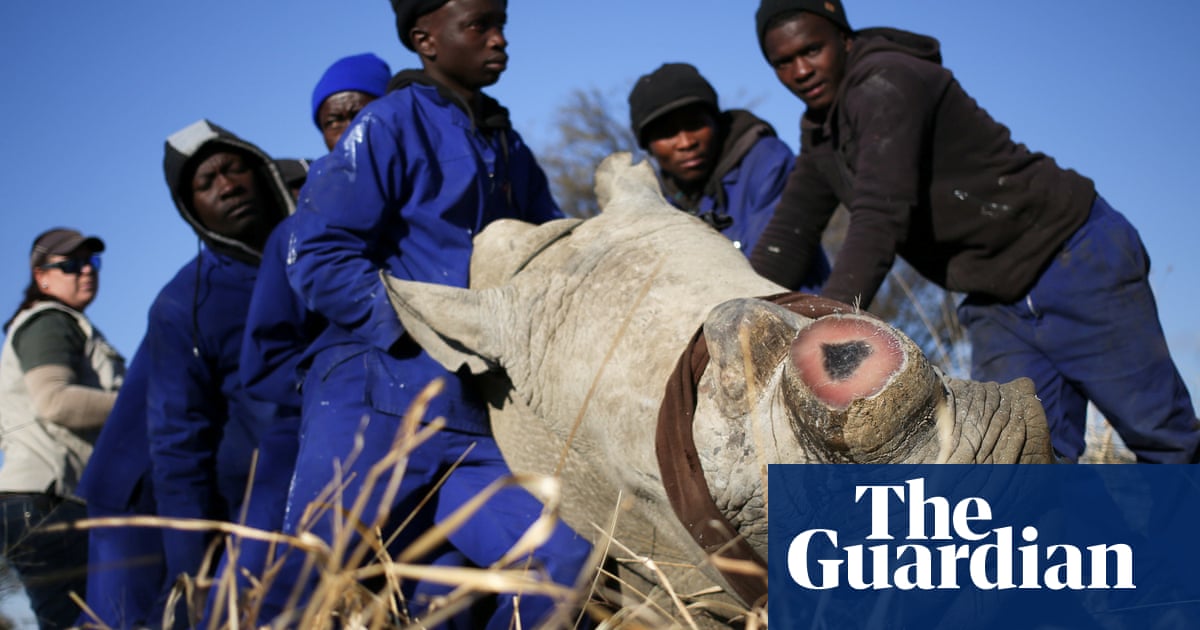
A recent study suggests that removing the horns of rhinos can significantly reduce poaching activities targeting these endangered animals. Poaching for rhino horns is a major threat to the survival of rhino species worldwide, as the horns are highly valued in traditional medicine markets in Asia. The study conducted in the Greater Kruger region of South Africa found that dehorning rhinos led to a substantial decrease in poaching incidents, outperforming traditional anti-poaching methods like ranger patrols and surveillance cameras. Researchers emphasized the cost-effectiveness of dehorning as a poaching deterrent, with minimal impact on the overall rhino protection budget.
Dehorning involves sedating the rhinos and safely removing their horns, a process that poses minimal risk to the animals and does not cause them harm. The study highlighted the success of dehorning in reducing poaching rates, while questioning the effectiveness of conventional anti-poaching interventions that focus on detecting and apprehending poachers. Despite the high number of poachers detected by these methods, they did not lead to significant reductions in rhino poaching incidents. The findings suggest a need to reassess conservation strategies and prioritize measures that directly address the incentives for poaching.
Rhino poaching remains a pressing issue in South Africa, with a high number of rhinos killed each year. The study's authors, including researchers from various institutions, emphasized that dehorning is not a foolproof solution and that further efforts are needed to address the underlying drivers of poaching. While dehorning has proven effective in reducing poaching activities, concerns remain about the long-term impacts on rhino behavior and social dynamics. Researchers noted that dehorned rhinos may exhibit changes in behavior, such as reduced territorial behavior and movement patterns, which could have implications for their overall well-being.
The study's results underscore the complex challenges facing rhino conservation efforts and the need for a multifaceted approach to protect these iconic animals. While dehorning has shown promise in reducing poaching, it is not a standalone solution and must be complemented by broader conservation strategies. The researchers highlighted the importance of collaboration between different sectors involved in rhino conservation and emphasized the need for innovative approaches to safeguard rhino populations for future generations.