Challenges Faced by Muslim Families in West Africa: High Cost of Rams for Eid al-Adha
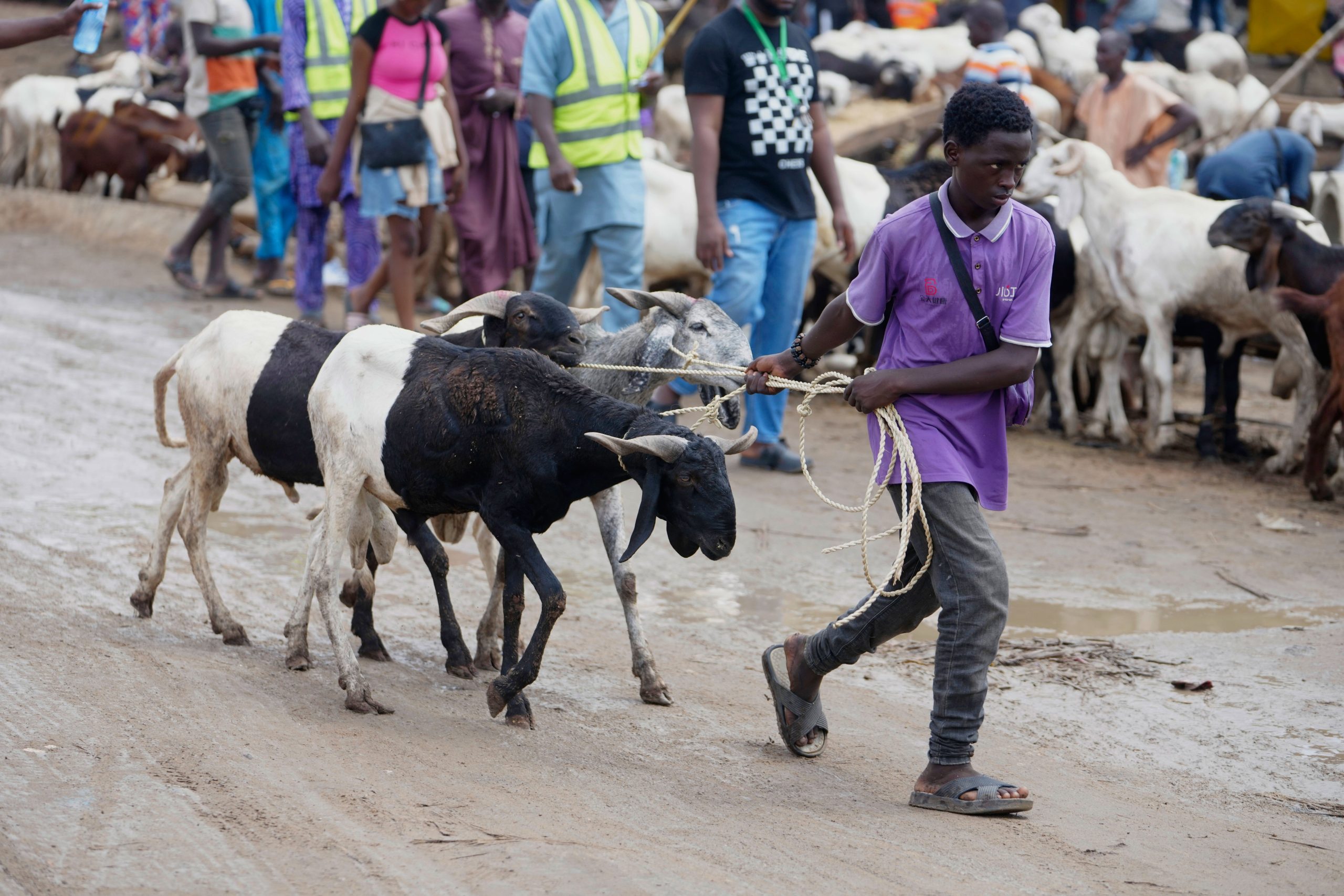
Muslim families in West Africa are facing challenges due to the high cost of rams for the Eid al-Adha celebration. In Nigeria's Kara livestock market, prices have doubled compared to last year, making it difficult for families to afford the traditional sacrifice. The economic and humanitarian crises in the region have exacerbated the situation, with millions struggling to meet basic food and nutrition needs.
The U.N. World Food Programme has highlighted the dire situation in West and Central Africa, where over 36 million people are facing food insecurity. Conflict, food inflation, and extreme weather conditions have displaced more than 10 million vulnerable people in the region. The rising cost of rams for Eid al-Adha is adding to the financial burden on families who are already struggling to make ends meet.
With Muslim populations being the most affected by the crises, many families are finding it challenging to maintain the tradition of sacrificing a ram for the festival. The cost of living crisis, exacerbated by economic policies like the removal of subsidies, has made it difficult for people to afford the religious rites. In countries like Niger, the ban on ram exports has stabilized local supply but has led to tightened supplies in neighboring countries like Nigeria and Benin.
The hardship faced by families has raised questions about the necessity of the ram sacrifice for Muslims. Islamic scholars emphasize that the tradition is not mandatory for those who cannot afford it. However, those who can afford it have a duty to share their meat with poorer neighbors. The economic challenges in the region are putting millions of lives at stake, and urgent action is needed to address the growing humanitarian crisis.
In conclusion, the high cost of rams for Eid al-Adha in West Africa is adding to the economic and humanitarian challenges faced by families in the region. The rising food insecurity, conflict, and climate conditions have made it difficult for many to afford the traditional sacrifice. Islamic scholars emphasize the importance of helping those in need during this time of crisis, highlighting the need for solidarity and support within communities.