Analyzing the Implications of the One Big Beautiful Bill Act on Healthcare Coverage in the United States
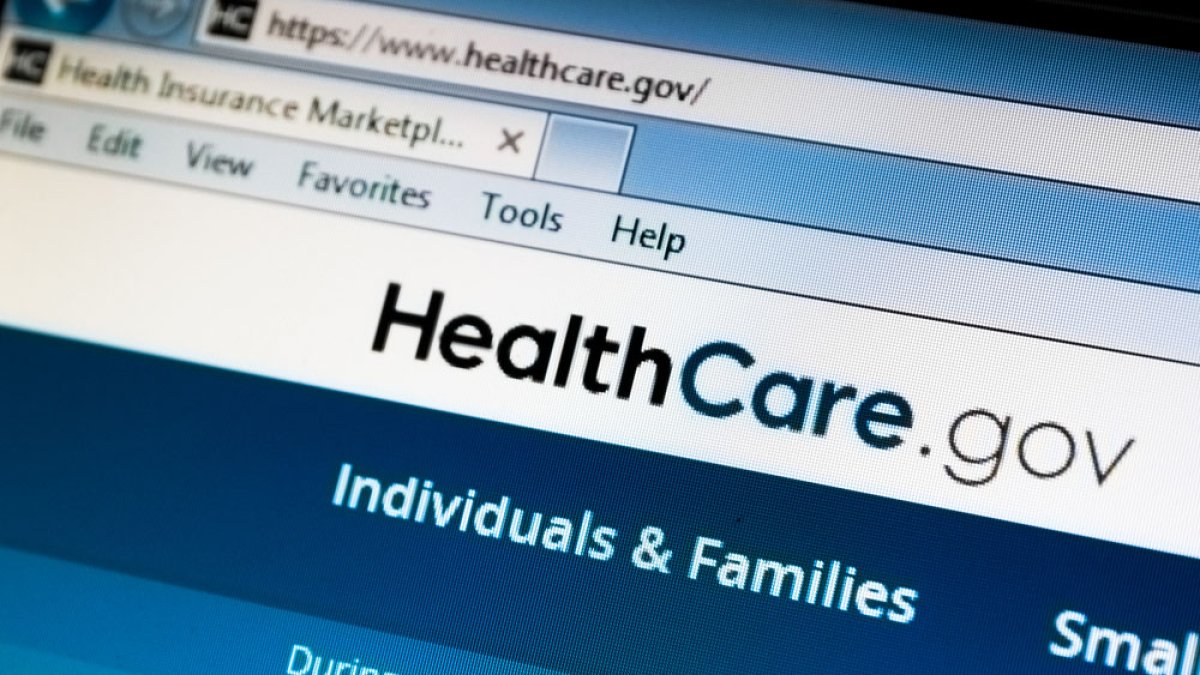
The One Big Beautiful Bill Act proposed by President Donald Trump's administration could have significant implications for healthcare coverage in the United States. The legislation, which has passed the House and is now moving to the Senate, is seen by critics as a lighter version of the Obamacare repeal. It includes provisions that could result in millions of Americans losing their Medicaid coverage, as well as making it more challenging and costly to enroll in health plans through the Affordable Care Act (ACA) marketplaces.
Unlike previous efforts to repeal the ACA, Republicans are not explicitly framing this legislation as an Obamacare repeal. Instead, they claim that the bill aims to address "waste, fraud, and abuse" in Medicaid and other government health programs. The political landscape has shifted since the failed repeal attempts in 2017, prompting Republicans to take a different approach to healthcare policy.
Democrats have criticized the One Big Beautiful Bill Act, arguing that it would undermine Americans' access to healthcare. The legislation could lead to a significant number of people losing their health insurance coverage, impacting vulnerable populations who rely on programs like Medicaid for essential care. The Congressional Budget Office estimates that the bill could result in millions more people being uninsured by 2034, especially if certain ACA subsidies are not extended.
The House-passed bill includes various changes to the ACA, such as shortening the open enrollment period and introducing new paperwork requirements that could lead to individuals dropping or losing their coverage. The legislation also imposes work requirements and more frequent eligibility checks for Medicaid beneficiaries, potentially causing eligible individuals to lose coverage due to administrative hurdles.
While supporters of the bill argue that these provisions are necessary to combat fraudulent enrollment and ensure program integrity, critics warn that the changes could have adverse effects on access to care and coverage. The bill's focus on cost-saving measures and tax cuts for wealthier Americans has raised concerns about the impact on healthcare affordability and coverage for low-income and vulnerable populations.
Overall, the One Big Beautiful Bill Act represents a significant shift in healthcare policy that could have far-reaching consequences for millions of Americans. The proposed changes to Medicaid and the ACA could result in millions of people losing their health insurance coverage, potentially reversing the gains made in reducing the uninsured rate in the country. The debate over the bill underscores the ongoing challenges and complexities of healthcare reform in the United States.