Analysis of the Latest US Travel Ban: Legal Soundness, Exemptions, and International Reactions
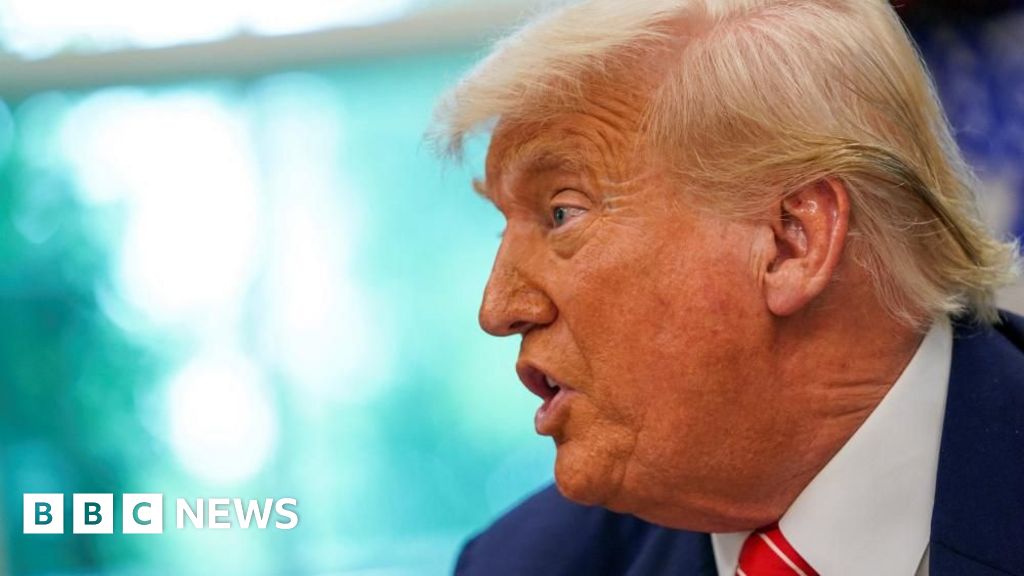
The US President has implemented a new travel ban affecting people from 12 countries, revisiting a policy from his previous term. This ban differs from the previous one and seems to have been crafted to avoid legal challenges. The earlier ban faced opposition due to allegations of discrimination based on religion, but the new ban appears to have learned from past mistakes. Legal experts believe that the new restrictions are more legally sound and have clearer exemptions compared to the previous ban.
While the 2017 ban targeted predominantly Muslim countries, the current ban does not explicitly focus on Muslim-majority states. The 12 countries facing the strictest restrictions are mainly from the Middle East, Africa, and the Caribbean, with additional partial restrictions on travelers from seven other countries. The severity of the restrictions is said to be based on perceived threats, including terrorism, but only Iran is on the US government's list of state sponsors of terrorism among the banned countries.
The announcement of the ban cited recent incidents to justify the restrictions, including an attack in Colorado by an Egyptian national. However, Egypt is not included in the list of banned countries. The ban also considers high rates of visa overstays as a reason for listing certain countries, but there is ambiguity regarding the threshold for overstaying rates that would warrant inclusion on the ban list. Unlike the previous ban, which had a limited duration, the current order has no specified end date.
The new travel ban has been met with criticism from the affected countries, with Venezuela denouncing the Trump administration as "supremacists" and Somalia expressing willingness to engage in dialogue to address concerns. The original ban led to widespread protests and airport disruptions, eventually being repealed by President Joe Biden in 2021. The latest ban has sparked concerns and reactions from various quarters, highlighting the ongoing debate over immigration policies and national security measures.