Trump Administration to End Controversial 'Quiet Skies' Surveillance Program
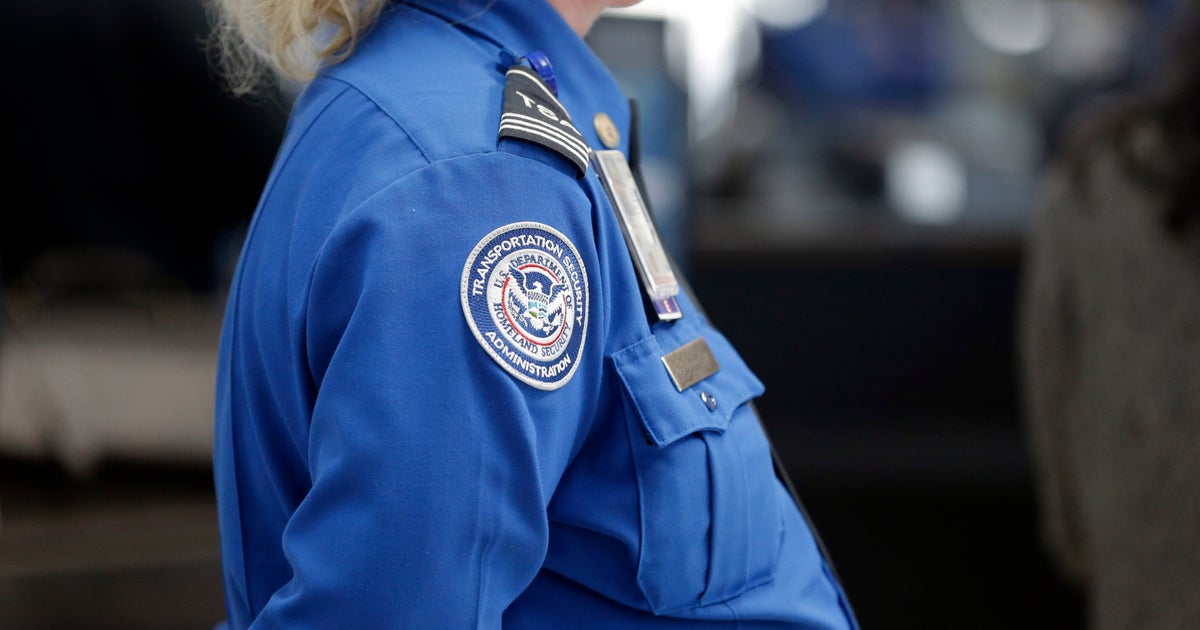
The Trump administration is set to terminate the Transportation Security Administration's "Quiet Skies" program, a domestic surveillance initiative aimed at identifying potential aviation security risks among travelers. The program, which has been in operation since 2010, utilizes analysts and undercover air marshals to monitor individuals in airports and during flights using various surveillance methods. Despite its intention to enhance security, the program has faced criticism for subjecting Americans to intrusive searches and scrutiny without clear criteria for inclusion or removal from the watchlist.
President Trump's decision to end the Quiet Skies program comes amid concerns about its effectiveness and the privacy implications of monitoring individuals not suspected of any crimes. The program's secretive nature and lack of transparency regarding the criteria for targeting individuals have raised questions about its fairness and legality. Some high-profile cases, such as the monitoring of Tulsi Gabbard and the husband of Sen. Jeanne Shaheen, have highlighted the program's controversial nature and the challenges individuals face in getting themselves removed from the watchlist.
As the administration prepares to discontinue Quiet Skies, there are discussions about the fate of the program's staff and the future of the undercover federal air marshals involved in surveillance efforts. The decision to end the program reflects ongoing debates about balancing security measures with privacy rights and the need for more transparent and accountable surveillance practices in the aviation sector. The announcement of the program's termination is expected soon, with considerations being made to ensure a smooth transition without compromising security measures.