The Department of Justice's Voting Section: Challenges and Changes Under the Trump Administration
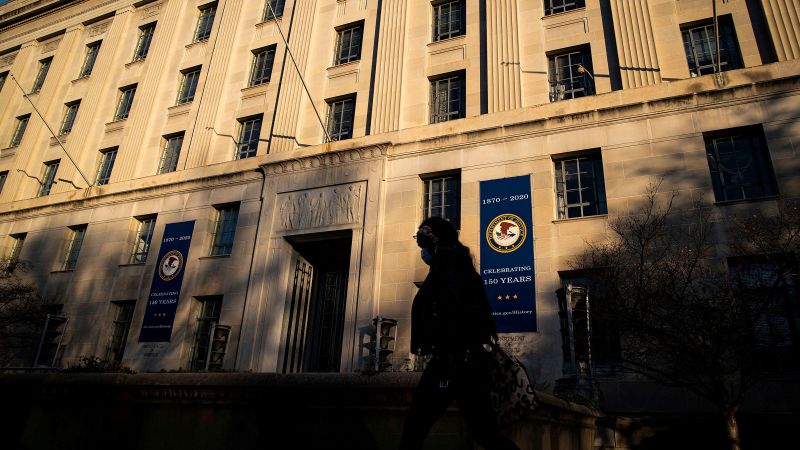
The Department of Justice's voting section, responsible for enforcing federal voting laws, has seen a significant decrease in staff, with only a handful of attorneys remaining due to pressure tactics from the Trump administration. The mass exodus of career staff was fueled by efforts to discredit the work of longtime attorneys, dismiss noncontroversial cases, and reassign supervisors. The division, once considered the "crown jewel" of the department, lost over 200 attorneys who took a buyout offered by the administration, leaving it severely understaffed.
Under the leadership of Assistant Attorney General Harmeet Dhillon, the civil rights division, which houses the DOJ voting section, has witnessed a substantial reduction in its workforce. The administration's push to reshape the department's priorities has led to the abandonment of high-profile cases opposed by conservatives and a shift towards anti-voting rights initiatives. The departure of experienced attorneys has raised concerns about the department's ability to enforce election laws effectively.
The Justice Department has dropped challenges to redistricting maps and election laws supported by Republicans, as well as lawsuits alleging discrimination against Black voters. The administration's focus on abandoning preexisting cases brought under the Voting Rights Act has raised questions about its commitment to protecting voting rights. With a depleted staff and loss of expertise, the department's ability to enforce election laws, including ensuring military members abroad receive their ballots on time, is in jeopardy.
Despite the challenges, the voting section, now operating with a minimal staff, continues its work. Recent efforts include a lawsuit addressing registration records of North Carolinians. The department remains active in enforcing election laws, albeit with shifting priorities. The departure of experienced attorneys and the administration's reshaping of the department's agenda have raised concerns about the future of voting rights enforcement.
The ongoing changes within the voting section reflect a broader shift in the department's approach to voting rights enforcement. The administration's efforts to reassign experienced attorneys and prioritize certain cases have raised concerns about the department's commitment to upholding voting rights. The impact of these changes on the enforcement of key voting laws and protections remains a point of contention.
In conclusion, the Department of Justice's voting section has undergone significant changes, with a drastic reduction in staff and a shift in priorities under the Trump administration. The departure of experienced attorneys and the administration's focus on reshaping the department's agenda have raised concerns about the future of voting rights enforcement. The impact of these changes on the department's ability to uphold key voting laws and protections remains uncertain.