Political Shifts in Poland: Nawrocki's Victory and its Implications
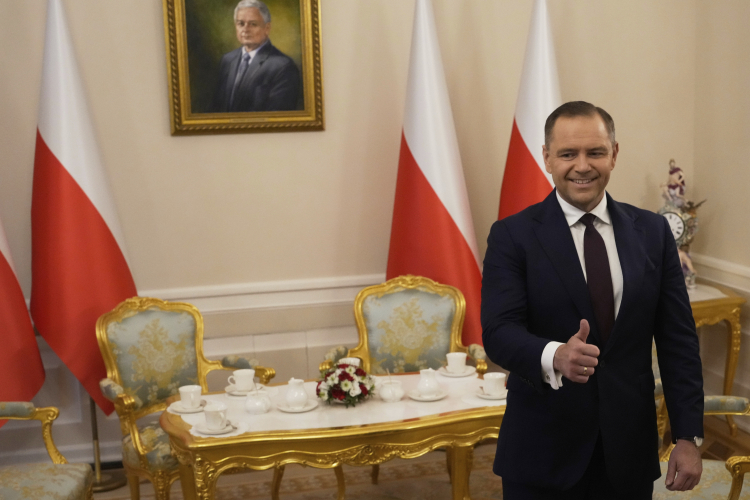
The atmosphere in Warsaw was somber following the runoff election where Karol Nawrocki, a conservative historian supported by Trump, defeated progressive mayor Rafal Trzaskowski for the presidency of Poland. Despite initial polls favoring Trzaskowski, Nawrocki emerged victorious, causing a shift in European politics with implications for Poland's stance on EU integration, immigration, and climate change. Nawrocki's victory also raises questions about Poland's relationship with Ukraine, as some voters express weariness over the influx of Ukrainian refugees and financial aid provided to Ukraine's war efforts.
Nawrocki's win signifies a departure from Trzaskowski's pro-Europe inclinations, potentially challenging Poland's influence in Brussels and altering its stance on Ukraine. The conservative values and anti-abortion policies championed by Nawrocki resonated with rural voters, contrasting with Trzaskowski's progressive platform. The election outcome reflects a shift in voter priorities, with some prioritizing domestic issues like abortion over foreign policy considerations.
The Palace of Culture and Science, a prominent landmark in Warsaw, serves as a reminder of Poland's history under Soviet occupation. Since the fall of the Soviet Union, Poland has experienced economic growth and increased defense spending, positioning itself as a key player in European politics. However, concerns linger about Russia's intentions and the potential impact on Poland's security and sovereignty. The election outcome reflects a complex interplay of domestic and foreign policy considerations that will shape Poland's future trajectory.