Navigating the Changing Energy Landscape: Implications of Trump's Proposed Policy Changes
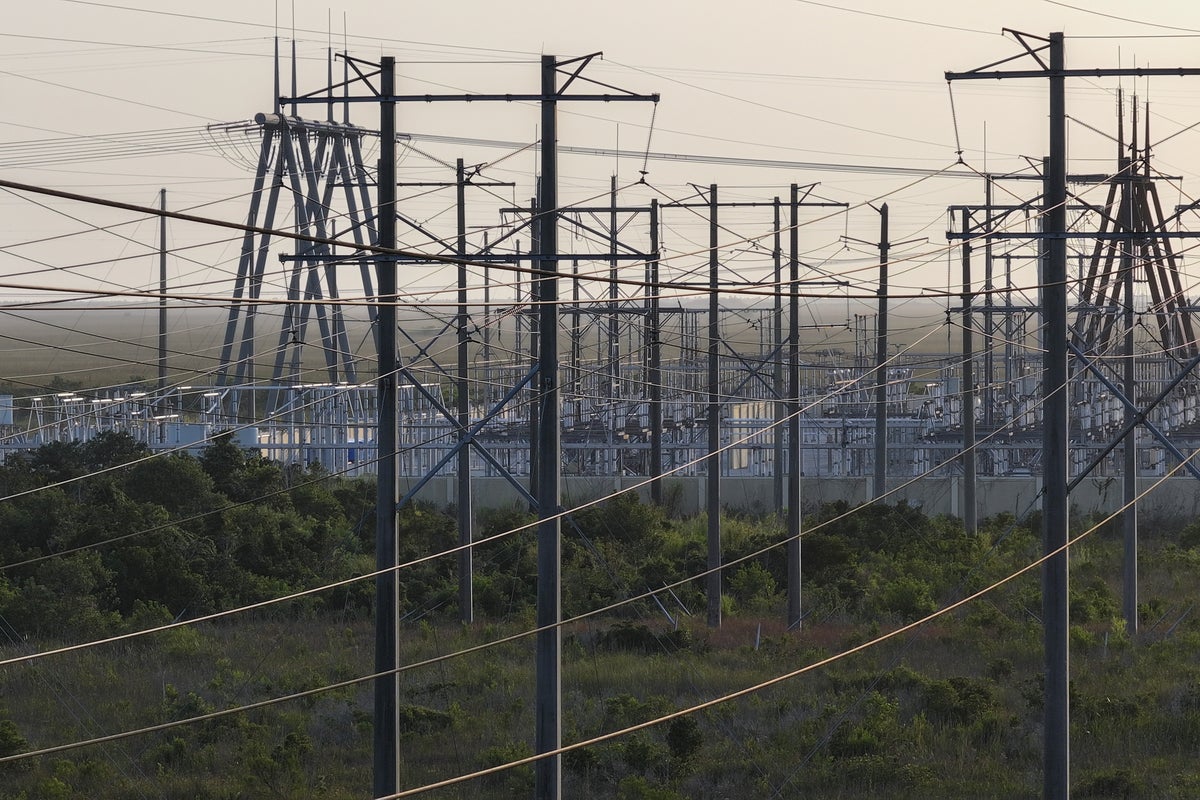
The current energy landscape in the United States is facing potential changes with President Donald Trump's proposed domestic policy bill. If passed, the legislation could eliminate federal tax credits for renewable energy sources like solar, wind, batteries, and geothermal power. This move could lead to an increase in electricity prices for the average family, with estimates suggesting a potential $400 annual rise. The demand for electricity is already on the rise due to factors like the construction of data centers for artificial intelligence, putting pressure on power companies to meet the growing needs.
The removal of tax breaks for renewable energy sources could make them more expensive and less accessible, leading to a potential increase in demand for natural gas. This shift could result in higher gas prices, which currently account for 43 percent of U.S. electricity generation. Additionally, the Trump administration's efforts to boost gas exports could further impact prices. The imposition of tariffs on materials like steel and aluminum could also drive up the costs of essential infrastructure for the energy sector.
Studies commissioned by the Clean Energy Buyers Association suggest that repealing clean energy credits could lead to a 13 percent increase in electricity prices in states such as New Jersey, North Carolina, Arizona, and Kansas. This move could also result in job losses in the renewable energy sector by 2032. While the Trump administration and gas industry officials argue that their policies will lower energy prices in the long run, concerns remain about the immediate impact on consumers and businesses.
Republican Senators have expressed concerns about potential tax code modifications exacerbating economic pressures on American households and businesses. Rising energy prices have already been observed, with U.S. residential electricity costs increasing by an average of 13 percent since 2022. Factors like the construction of data centers in Ohio and wildfires in California have contributed to price hikes, along with fluctuating natural gas prices influenced by global events.
The rising costs of natural gas production and infrastructure development have implications for energy affordability and accessibility. The Trump administration's proposed changes to energy credits and assistance programs could further strain households already struggling to pay their energy bills. As the energy landscape continues to evolve, policymakers face the challenge of balancing economic considerations with the need for sustainable and affordable energy solutions.