Interpreting Symbols: The Controversy Surrounding Tattoos and Extremist Allegations
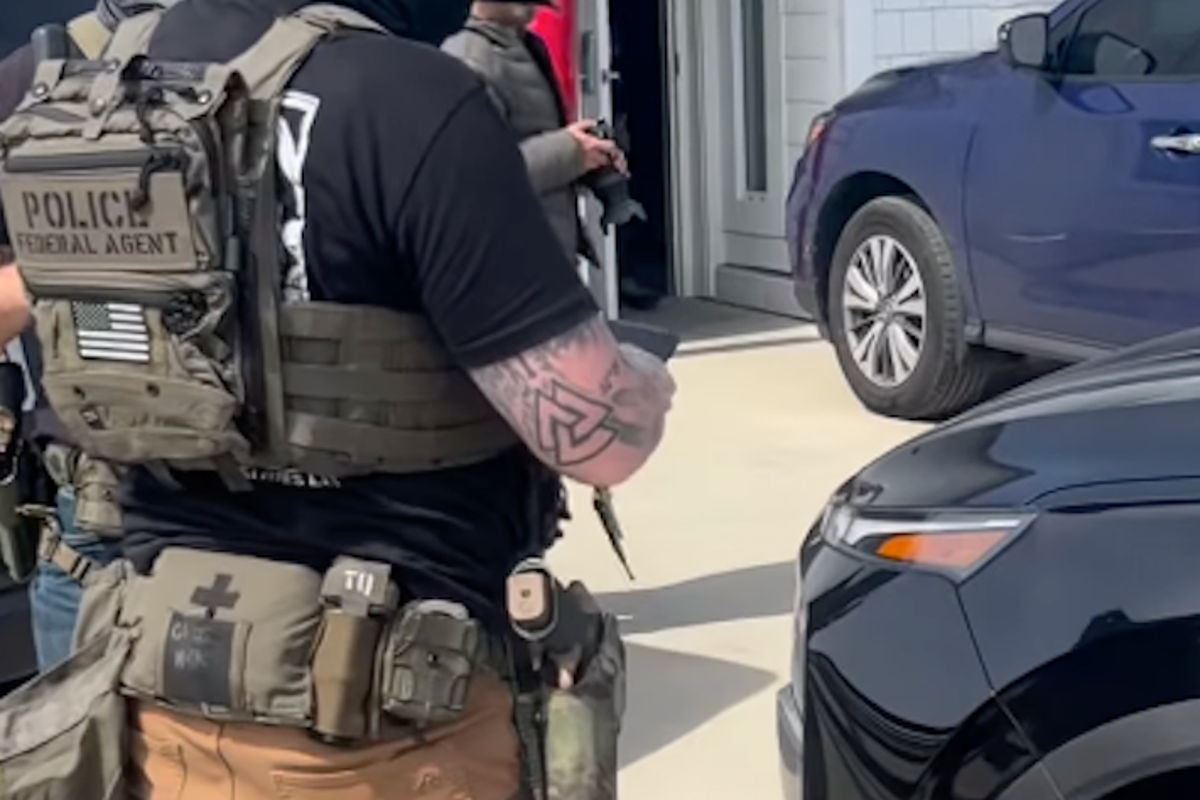
The Department of Homeland Security has responded to allegations that an Immigration and Customs Enforcement agent has a "white supremacist" tattoo following an incident on Martha's Vineyard. During an arrest operation, an ICE officer was seen with a Valknot tattoo, a symbol associated with the god Odin. The claim was made by Charlie Giordano, who posted footage on Instagram, suggesting the tattoo was linked to white supremacy.
DHS spokesperson Tricia McLaughlin refuted the claim, stating that the officer is a combat veteran and the tattoo is a tribute to fallen warriors. She criticized the accusation as a smear and insulting to veterans. While the Valknot symbol has been used by white supremacists, it is also used by non-racist pagans, emphasizing the need to consider the context of its use.
The Anti-Defamation League has noted that some white supremacists, particularly racist Odinists, have appropriated the Valknot as a racist symbol. However, ICE clarified that the agent in question is not associated with white supremacism and had the tattoo before joining the agency. The incident on Martha's Vineyard sparked debate over the use of symbols and tattoos in relation to extremist ideologies.
The controversy surrounding the ICE agent's tattoo is reminiscent of previous concerns over Defense Secretary Pete Hegseth's "Christian motto" tattoo. Hegseth's tattoo, featuring the phrase "Deus Vult," has been linked to white supremacist groups due to its historical association with Christian crusaders. Despite the associations, Vice President JD Vance defended Hegseth, denouncing the criticism as anti-Christian bigotry.
In conclusion, the debate over symbols and tattoos highlights the complexities of interpreting visual cues and their potential connections to extremist ideologies. The need to carefully consider the context and individual meanings behind such symbols is crucial in avoiding misinterpretations and unwarranted accusations.