Federal Judge Considers Unsealing FBI Surveillance Records on Martin Luther King Jr.
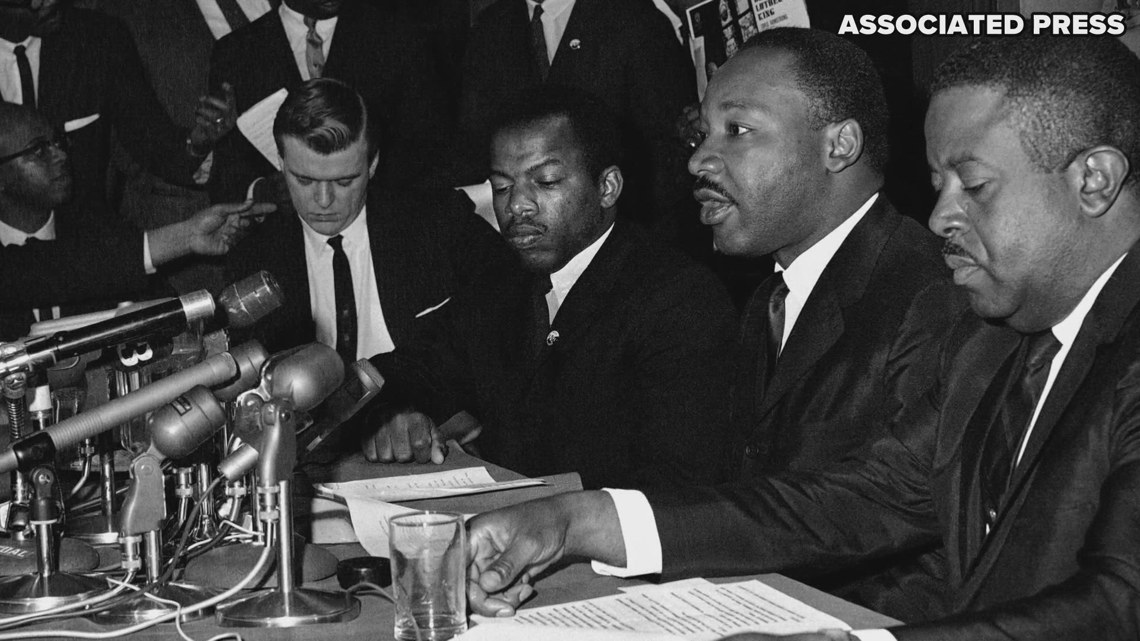
A federal judge in Washington is considering the Trump administration's request to unseal records related to the FBI's surveillance of Martin Luther King Jr. The Justice Department wants to release records following an executive order from President Trump to disclose information about the assassinations of King, President John F. Kennedy, and Senator Robert F. Kennedy. The release of JFK assassination records earlier this year raised concerns about the exposure of sensitive personal information. Attorneys for the Southern Christian Leadership Conference (SCLC) are cautious about the potential unsealing of FBI surveillance records on King, citing the government's mishandling of the JFK files.
The FBI's surveillance of King, part of the COINTELPRO project led by Director J. Edgar Hoover, aimed to discredit King and the civil rights movement from 1963 to 1968. The SCLC's attorney, Sumayya Saleh, questions the necessity of unsealing the records, emphasizing the lack of a compelling reason to do so. The DOJ has clarified that only files directly related to King's assassination will be released, but the contents of the sealed records remain uncertain due to their long-standing custody at the National Archives.
During a court hearing, an assistant U.S. attorney assured that the administration would not disclose attorney-client privileged or personal communications captured by the FBI. The DOJ requested permission to review the files at the National Archives to determine their release, but Judge Leon deemed the request premature. He plans to review the inventory of the sealed King file himself before proceeding with any unsealing decisions, emphasizing a cautious approach to the sensitive matter.
Judge Leon's deliberate approach suggests that the process of unsealing records related to King's surveillance could extend until the expiration of the sealing order in two years. King's children have expressed opposition to unsealing the records, citing concerns about potential harm to their father's legacy. Martin Luther King III described the surveillance as a dark chapter in U.S. history and emphasized the FBI's intent to discredit his father and the civil rights movement. The family has no interest in making the records public, as they believe the FBI's recordings were meant to misinform and damage King's reputation.