Empowering Sustainable Agriculture in the Peruvian Amazon: The Role of USAID and Miguel Guimaraes Vasquez
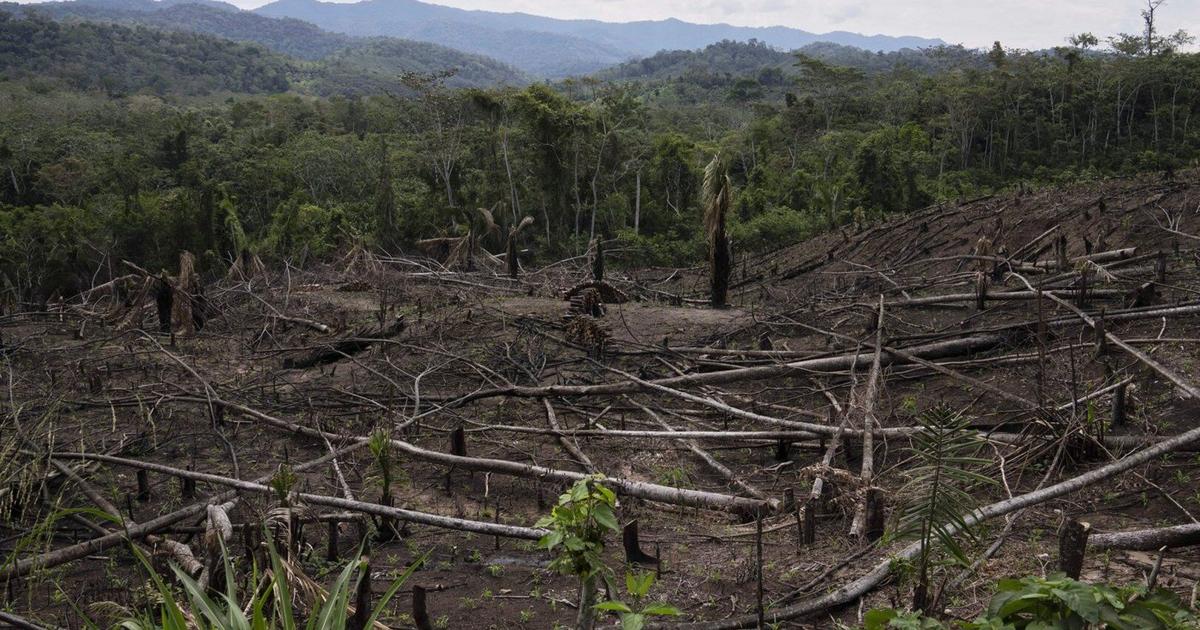
Miguel Guimaraes Vasquez dedicated himself to safeguarding the Peruvian Amazon from deforestation caused by the cocaine trade, despite facing threats from drug traffickers. As a prominent figure in an Indigenous rights organization, Vasquez highlighted the crucial role of financial aid from the U.S. Agency for International Development (USAID) in supporting initiatives to transition Peruvian farmers away from cultivating coca for cocaine towards growing legal crops like coffee and cacao. USAID's investments in economic and agricultural training, technology, and market access played a pivotal role in promoting sustainable farming practices in the region.
The assistance provided by USAID enabled farmers in Peru to diversify their crops and embrace sustainable agricultural practices, reducing their reliance on coca cultivation. By offering training programs, technological support, and opportunities to access global markets, USAID facilitated the transition towards legal crops like coffee and cacao. This shift not only promoted environmental conservation in the Peruvian Amazon but also contributed to the economic empowerment of local communities.
Despite the challenges posed by the cocaine trade and deforestation in the Peruvian Amazon, Miguel Guimaraes Vasquez remained steadfast in his commitment to protecting the region and promoting sustainable farming practices. With the support of USAID, Vasquez and other advocates were able to make significant strides in transitioning farmers away from coca cultivation towards legal crops, fostering economic development and environmental conservation in the Peruvian Amazon.
In conclusion, the partnership between Miguel Guimaraes Vasquez, Indigenous rights groups, and USAID has been instrumental in promoting sustainable agriculture and environmental conservation in the Peruvian Amazon. By supporting initiatives to shift farmers from growing coca for cocaine production to cultivating legal crops like coffee and cacao, USAID has played a crucial role in fostering economic development and protecting the region's biodiversity. The collaborative efforts of Vasquez and USAID exemplify the importance of international cooperation in addressing environmental challenges and promoting sustainable livelihoods in vulnerable communities.