Driving Economic Growth: The Potential Impact of the Dallas-Houston High-Speed Rail Project on Dallas County's GDP and Job Creation
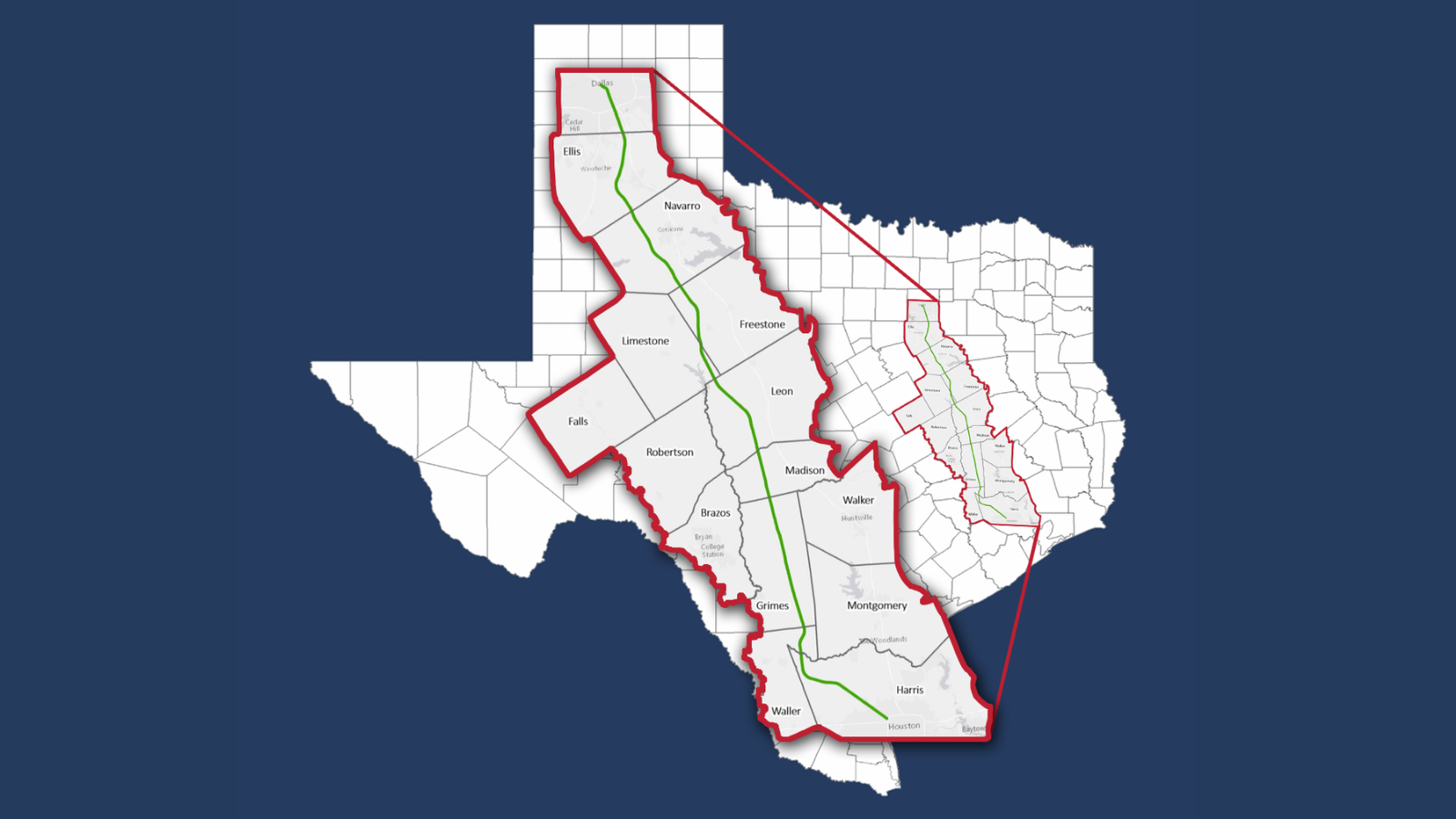
A recent study conducted by the Boston Consulting Group projects that the proposed high-speed rail line connecting Dallas and Houston could potentially contribute $5 billion annually to Dallas County's gross domestic product (GDP) from 2029 to 2050. The analysis, commissioned by the city of Dallas, forecasts the creation of over 28,000 new jobs in the state, indicating significant economic benefits for the region. The study highlights the potential of the Dallas-Houston high-speed rail project to drive urban growth and job creation in North Texas, offering a compelling economic case for its proponents.
The Boston Consulting Group's report, based on more than six months of research, predicts that a Dallas-to-Houston bullet train, with an estimated travel time of around 90 minutes, could result in a consistent $5 billion annual increase in Dallas County's GDP between 2029 and 2050. The study also anticipates the creation of 28,300 new jobs and projects attracting between 3 million and 6.5 million riders during the first full year of operations, expected to be in 2035. These findings align with recent statements from Texas Central, the project's developer, which outlined a build schedule of 80 to 86 months following the completion of planning this year.
The economic benefits of the high-speed rail project are contingent on the train's route through Dallas, with potential extensions to Fort Worth and Arlington also considered in the study. While the report could not provide a definitive return on investment for specific routes due to recent federal funding withdrawal, it suggests that additional capital investment of $6 billion and an increase in annual passengers to 2.1–3 million could be achieved through these extensions. Despite the positive economic outlook, the project faces political and legal challenges, including disagreements over route alignments and opposition from some state legislators.
Representative Cody Harris, a vocal opponent of the rail project, emphasized the importance of not using Texas taxpayer money or land for a project that lacks voter support. Texas Central Railroad, however, remains optimistic about the project's potential to enhance mobility, safety, and economic growth in the state, emphasizing Texas' business-friendly environment and commitment to meeting the needs of its residents. The environmental and engineering review process is expected to continue until at least 2025, with local and federal agencies collaborating on regulatory and legal assessments to address various challenges and ensure project viability.
In conclusion, the proposed high-speed rail line between Dallas and Houston holds significant economic promise for Dallas County, with the potential to stimulate job creation, urban growth, and increased GDP. While facing obstacles such as funding uncertainties and political opposition, the project's proponents remain optimistic about its long-term benefits for Texas residents and the state's economy. The ongoing review process and collaborative efforts between stakeholders aim to address challenges and pave the way for the realization of this transformative transportation initiative.