California's Statewide Mobile Monitoring Initiative: A Groundbreaking Approach to Addressing Pollution and Protecting Public Health
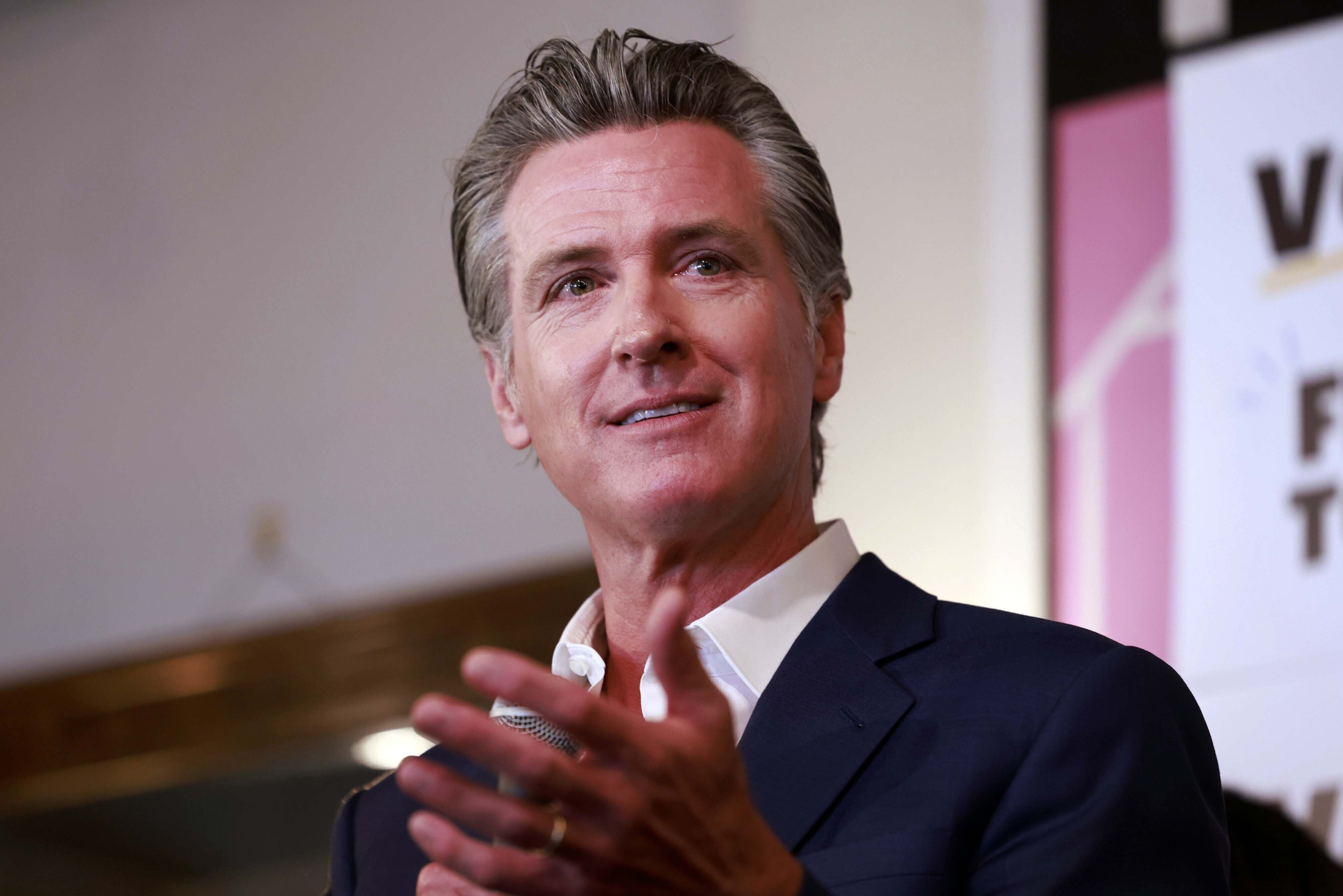
California Governor Gavin Newsom has introduced a groundbreaking pollution monitoring program in response to President Donald Trump's rollback of climate protections. The Statewide Mobile Monitoring Initiative (SMMI) will utilize specially equipped vehicles to gather block-by-block air quality data in 64 heavily polluted communities. This data will aid officials in developing solutions to enhance air quality and public health. Newsom emphasized California's commitment to environmental leadership despite federal actions threatening environmental progress.
The SMMI project, led by the California Air Resources Board (CARB), will deploy sensor-equipped vehicles provided by Aclima and mobile labs managed by researchers from the University of California, Berkeley, the University of California, Riverside, and Aerodyne. Data collection will focus on 64 communities statewide, with a significant emphasis on priority populations, including low-income communities and those disproportionately affected by pollution. Community-based organizations have collaborated with CARB to identify local air quality concerns and ensure community input shapes monitoring efforts.
California's clean air initiatives over the past five decades have significantly reduced diesel-related cancer risks and saved billions in health care costs. Despite federal efforts to undermine state-level environmental regulations, California remains at the forefront of environmental protection. Trump's administration has targeted California's authority to regulate pollution, set clean vehicle standards, and operate its cap-and-trade system, sparking legal battles and challenges to state autonomy.
The Trump administration's actions to revoke California's waiver allowing stricter greenhouse gas emissions and zero-emission vehicle mandates have faced opposition from California and other states. Under the Biden administration, the Environmental Protection Agency reinstated California's waiver, restoring the state's power to set its own vehicle emissions standards. However, ongoing efforts by the Trump administration to revoke California's authority to enforce stringent emissions standards, including a ban on new gasoline-powered vehicles by 2035, are anticipated to encounter legal resistance.
Dr. Steven Cliff, executive director of CARB, highlighted the importance of engaging with communities impacted by air pollution to develop an effective air quality monitoring system. The SMMI will continue collecting air quality data until June 2026, with the information becoming publicly available for stakeholders and local communities to address pollution concerns. This initiative represents a significant step towards protecting public health in neighborhoods disproportionately affected by environmental injustice.