Addressing the Decline in Childhood Measles Vaccination Rates: Insights from a Johns Hopkins University Study
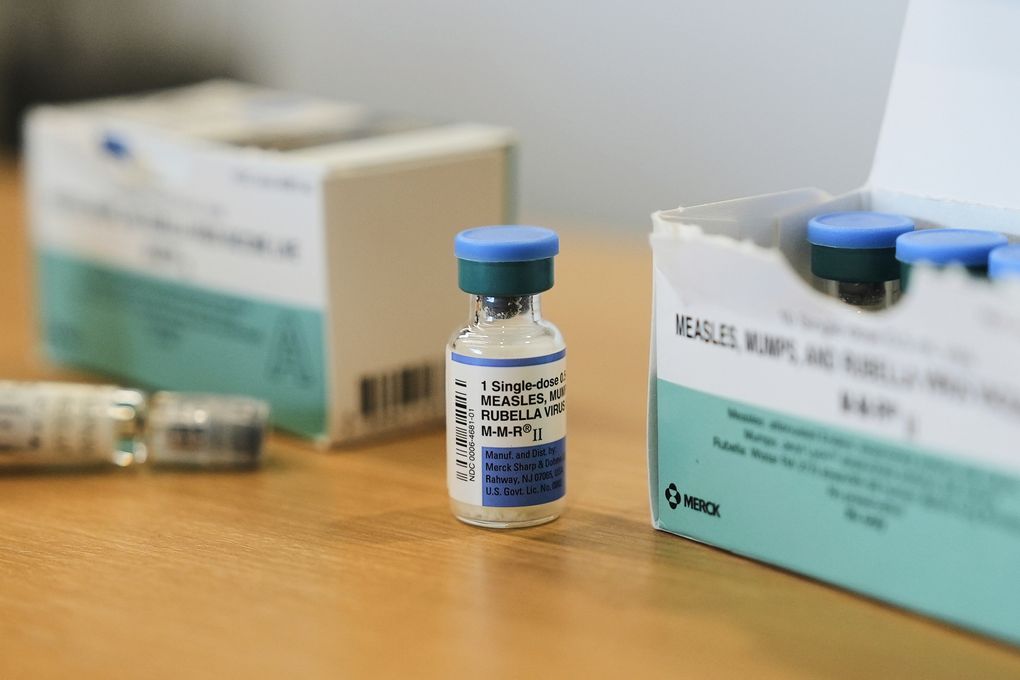
Childhood vaccination rates for measles have declined in nearly 80% of U.S. counties following the COVID-19 pandemic, as shown in a recent study by Johns Hopkins University. The decrease in vaccination rates is concerning, especially in communities that are now facing measles outbreaks. Measles cases have been on the rise in the U.S., with unvaccinated individuals being most affected. The spread of measles is attributed to both international and domestic travel, highlighting the importance of maintaining high vaccination rates to prevent outbreaks.
The study conducted by Johns Hopkins University analyzed data from over 2,000 counties across 33 states, comparing vaccination rates before and after the pandemic. Counties that have experienced measles outbreaks this year, such as those in Texas, have seen a decline in vaccination rates. Gaines County in Texas, for example, reported the highest number of measles cases in the state, despite a slight increase in vaccination rates post-pandemic. Maintaining high vaccination rates, ideally above 95%, is crucial to achieving herd immunity and preventing the spread of measles.
In addition to Texas, other states like Kansas and Colorado have also reported measles outbreaks linked to international travel. Counties in these states have seen a significant drop in vaccination rates following the pandemic, putting communities at risk of further outbreaks. It is essential for public health officials to address the decline in vaccination rates and promote the importance of childhood vaccinations to protect against preventable diseases like measles.
The findings of the Johns Hopkins study underscore the need for continued efforts to improve childhood vaccination rates and ensure community-level immunity against measles. By raising awareness about the safety and effectiveness of vaccines, public health authorities can help prevent future outbreaks and protect vulnerable populations from infectious diseases. Maintaining high vaccination rates is key to safeguarding public health and reducing the impact of vaccine-preventable diseases in communities across the country.