Tracking the First Storm of the Season: Potential Impacts and Precautions
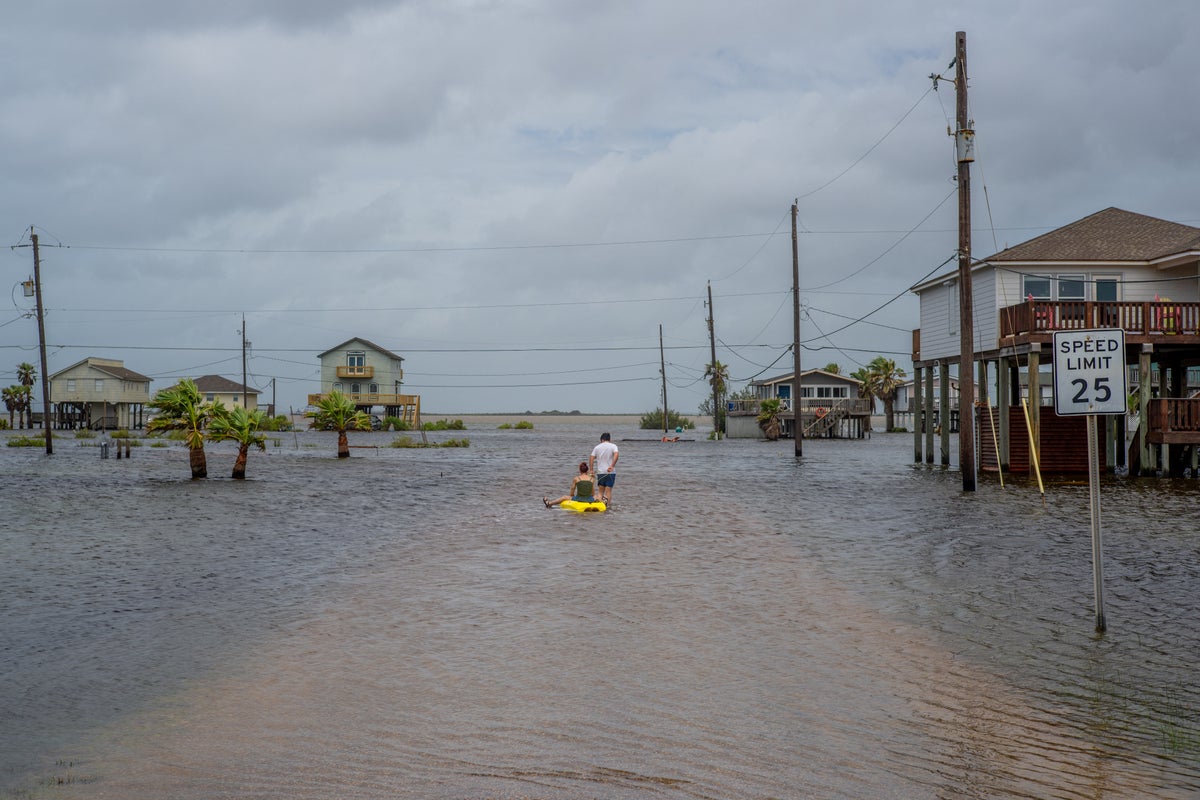
Meteorologists are closely monitoring a storm brewing in the Atlantic early in this year's hurricane season. A non-tropical area of low pressure is expected to form near the southeastern U.S. coast in the coming days. The National Hurricane Center has warned that the low could potentially acquire subtropical or tropical characteristics if it remains offshore. Hurricane Hunters are planning a reconnaissance flight to investigate the system on Thursday. Environmental conditions currently only marginally support the development of tropical characteristics.
The disturbance is projected to track north-northeast and has a 10 percent chance of developing tropical characteristics if it stays over the Atlantic. It is anticipated to move east of North Carolina and out over the ocean by late Friday or Saturday. If it does develop, it could become the first tropical storm of the season, named Andrea. Last year, the first storm was Alberto, followed by Category 5 Hurricane Beryl, the earliest-forming Category 5 hurricane on record in the Atlantic.
Experts suggest that the water temperatures along the southeastern U.S. Atlantic coast are still below the critical 80-degree Fahrenheit threshold for tropical development. However, there is a low-risk zone for potential tropical development in the western Caribbean and eastern Gulf next week. This area is expected to move slowly through the region, coinciding with a surge of moisture and a decrease in disruptive winds, creating conditions conducive for tropical development.
Despite uncertainties about the storm's development, cities along the East Coast may experience impacts such as poor beach conditions and flash flooding from heavy downpours. As the hurricane season progresses, it is crucial to stay informed about potential weather threats and take necessary precautions to ensure safety.