Preventing Waterborne Infections: The Importance of Safe Nasal Irrigation Practices
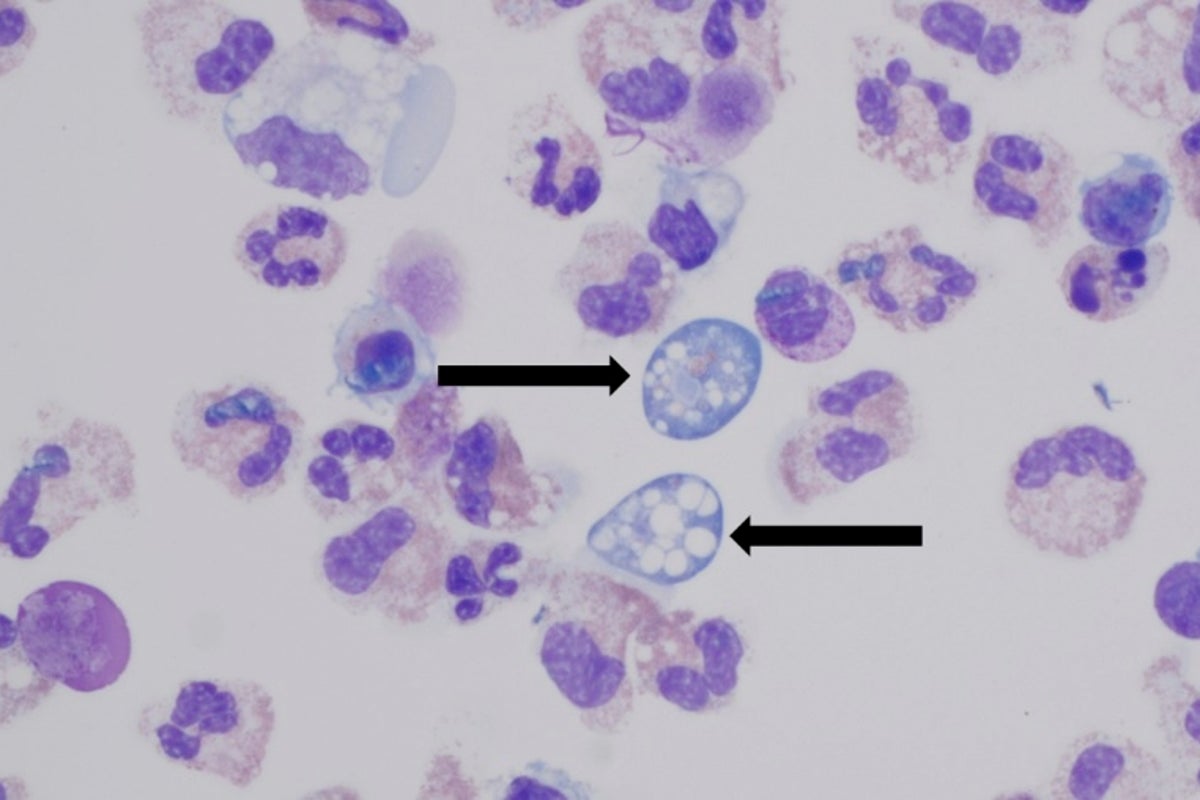
An elderly woman from Texas passed away due to a brain-eating ameba infection she contracted while using a nasal irrigation device. The 71-year-old woman developed severe neurological symptoms after using non-boiled water from an RV's water system at a Texas campground. She experienced fever, headache, and altered mental status within days of using the device, leading medical professionals to suspect a primary amebic meningoencephalitis (PAM) infection. Despite treatment, she succumbed to the infection, caused by the Naegleria fowleri ameba, which is almost always fatal.
PAM is a rare but deadly brain infection that is typically contracted through the use of tap water for nasal irrigation. The woman's cerebrospinal fluid tested positive for Naegleria fowleri, although the ameba was not found in the RV water supply. The CDC emphasized the importance of using distilled, sterilized, or boiled tap water for nasal irrigation to reduce the risk of infection. Naegleria fowleri thrives in warm freshwater environments, so precautions such as holding your nose or wearing a nose clip when in fresh water are recommended.
This tragic case underscores the importance of following proper guidelines when using nasal irrigation devices to prevent potential health risks associated with waterborne infections. By using safe water sources and taking precautions in freshwater environments, individuals can reduce the risk of exposure to harmful pathogens like Naegleria fowleri. Stay informed and prioritize your health and safety when using nasal irrigation devices to avoid unnecessary risks and complications.