Navigating U.S. Foreign Policy: The Senate's Push for New Sanctions on Russia
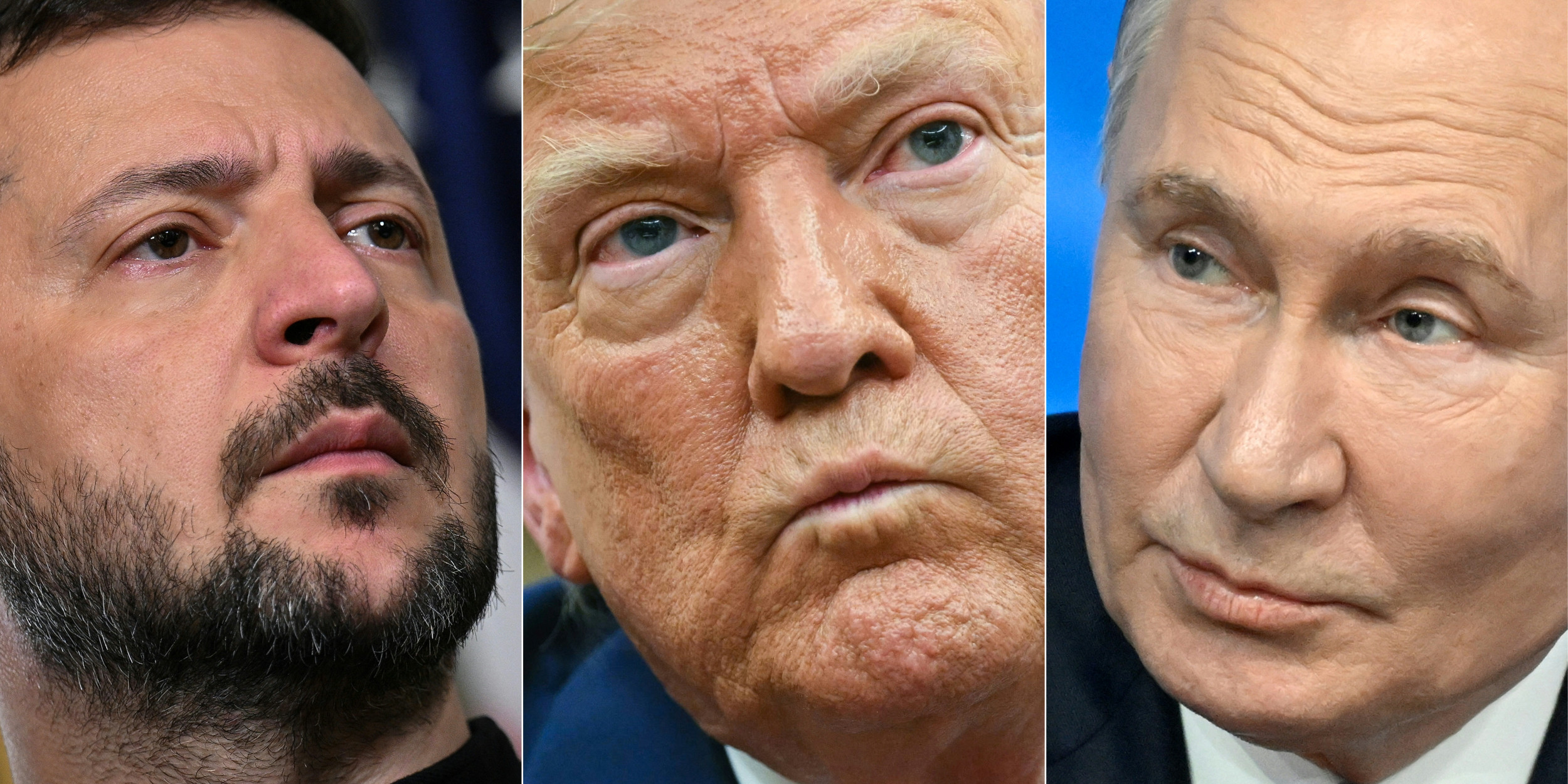
The Senate is considering new sanctions on Russia to urge the country to end its war in Ukraine. President Trump's stance on the bipartisan Senate measure is uncertain, despite his frustration with the ongoing conflict and lack of progress in peace talks. The White House has not confirmed Trump's support for the bill, indicating potential reluctance to let Congress take the lead on foreign policy matters.
Senate Majority Leader John Thune mentioned that work on the legislation, which has 82 co-sponsors, could begin soon. However, the White House's response to the bill remains unclear, raising questions about Trump's approach to addressing the conflict between Russia and Ukraine. Trump sees sanctions as a tool in his arsenal but may be cautious about Congress's involvement in crucial foreign policy decisions.
The potential discord between the White House and Congress could complicate efforts to push Russia and Ukraine towards a negotiated settlement. As the Senate moves forward with the sanctions measure, the White House is reportedly exploring additional sanction options. Trump's evolving rhetoric towards Russia and Ukraine reflects his growing frustration with the lack of progress in peace negotiations.
Despite Trump's recent criticism of Putin and threats of new sanctions, doubts linger about his commitment to imposing further sanctions on Russia. The United States, under former President Biden, collaborated with allies to impose sanctions on Russia's financial sector and energy industry in response to the conflict in Ukraine. However, experts suggest that more pressure could be applied by targeting countries that continue to trade with Russia, undermining the effectiveness of existing sanctions.
The White House and Congress have various tools at their disposal to increase pressure on Moscow and address loopholes in the current sanctions regime. Experts argue that targeting countries supporting Russia's economy could strengthen the impact of sanctions and compel Moscow to reconsider its actions. The ongoing debate over sanctions reflects the complex dynamics of U.S. foreign policy towards Russia and Ukraine.
In conclusion, the Senate's consideration of new sanctions on Russia highlights the ongoing efforts to address the conflict in Ukraine. Trump's stance on the sanctions bill and the potential for increased pressure on Moscow underscore the challenges in navigating foreign policy decisions. As the debate continues, the effectiveness of sanctions and the need for coordinated international action remain key considerations in resolving the conflict between Russia and Ukraine.