Controversy Surrounding Peru's Decision to Reduce Protected Area Around Nazca Lines: Balancing Economic Interests with Cultural Preservation
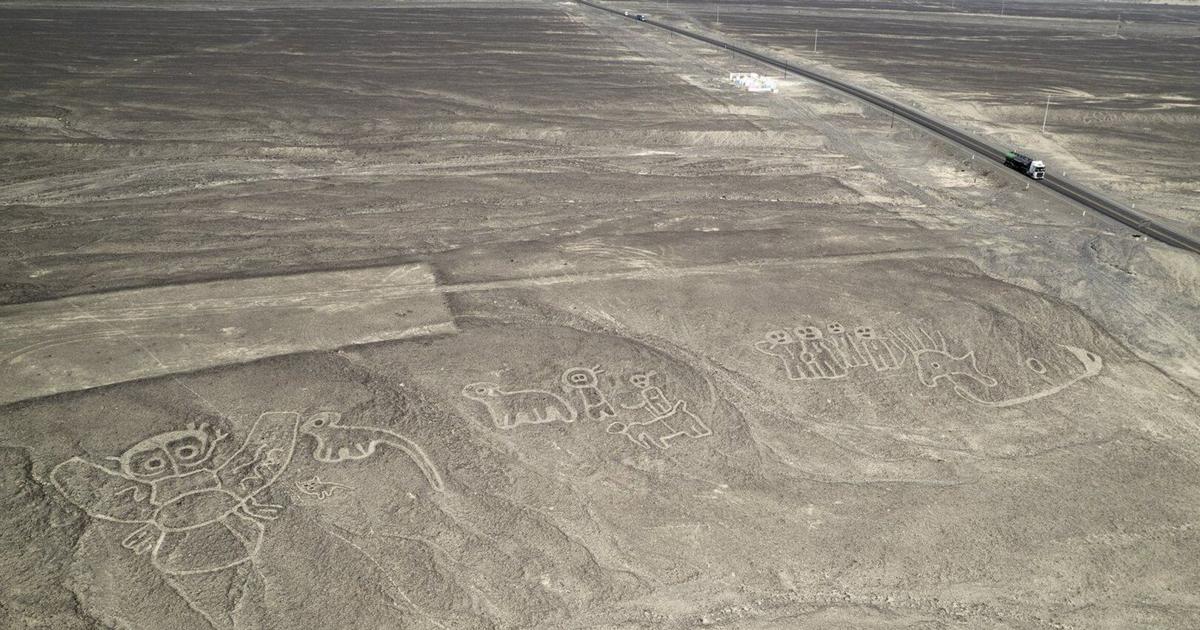
Peru has recently made changes to the protected archaeological reserve surrounding the Nazca Lines, allowing miners who were previously operating illegally in the area to apply for mining permits. The government has reduced the protected area by 42%, enabling miners to legalize their activities in the region. Energy and Mines Minister Jorge Montero emphasized the importance of complying with the new regulations now that the zone is no longer considered archaeological heritage.
The decision to reduce the protected area around the Nazca Lines has sparked controversy and concerns among conservationists and archaeologists. The Nazca Lines, a UNESCO World Heritage Site, are ancient geoglyphs etched into the desert floor that date back to between 500 BC and 500 AD. The reduction of the protected zone raises questions about the preservation of these historical and cultural treasures.
The Nazca Lines are a significant cultural and historical site that attract tourists from around the world. The intricate designs and patterns etched into the desert have puzzled researchers for decades, with theories ranging from astronomical calendars to religious rituals. Preserving the integrity of the Nazca Lines is crucial for understanding the ancient civilizations that created them and for future generations to appreciate their cultural significance.
While the decision to reduce the protected area around the Nazca Lines may benefit miners seeking to legalize their operations, it also raises concerns about the long-term impact on the archaeological site. Balancing economic interests with cultural and environmental preservation is a delicate task that requires careful consideration and planning. It is essential to find a sustainable solution that protects the Nazca Lines while also addressing the needs of local communities and industries.
In conclusion, Peru's decision to reduce the protected area around the Nazca Lines to allow miners to obtain permits has sparked debate and raised concerns about the preservation of this UNESCO World Heritage Site. Finding a balance between economic development and cultural conservation is crucial to ensure the long-term protection of the Nazca Lines and their significance for future generations.