"Unraveling the Impact: Mali's Struggle After USAID Cuts"
Read "Unraveling the Impact: Mali's Struggle After USAID Cuts" on WALY Radio
"Unraveling the Impact: Mali's Struggle After USAID Cuts"
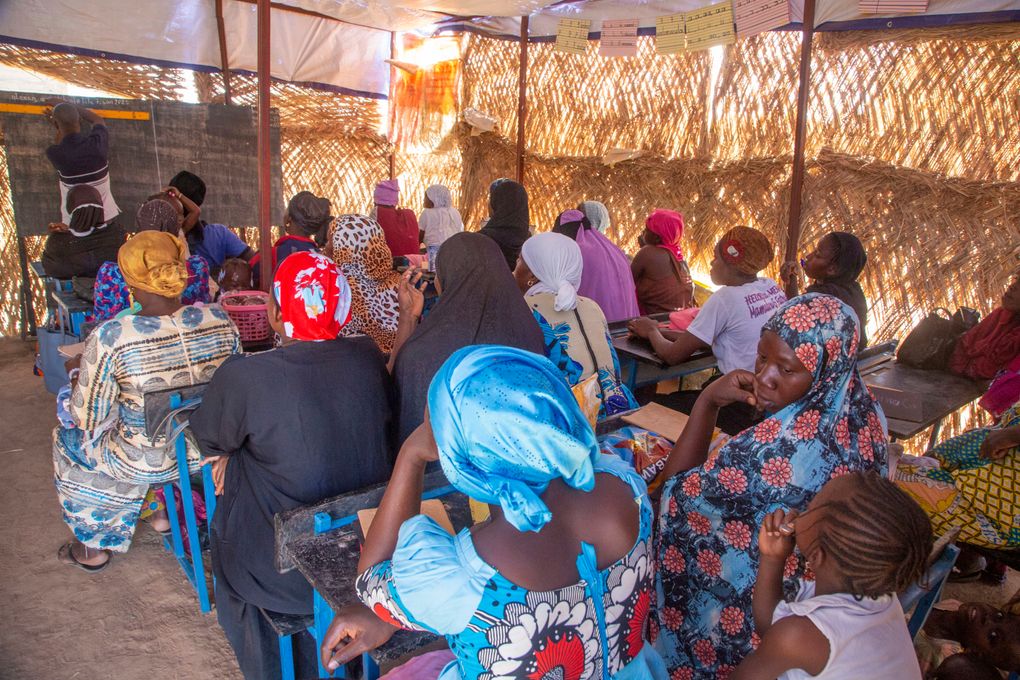 [!CDATA[In Mali, the "Shifin ni Tagne" project aimed to teach 20,000 young Malians to read and write in their local languages, but it was forced to shut down due to a 90% cut in foreign aid by the Trump administration. This decision has left many like Aminata Doumbia, who hoped to train as a pastry chef, feeling stranded and without hope of realizing their dreams. The project was a crucial path to literacy and empowerment for many in a country where 70% of the population lacks basic reading and writing skills. The abrupt end of USAID funding not only impacted literacy programs but also other initiatives aimed at increasing adult education and expanding the literacy project to public schools. The Gaoussou Dabo School in Bamako was one of the schools that benefited from mother-tongue education, but the withdrawal of funding has disrupted the monitoring and evaluation of the program. The loss of USAID support has had a significant negative impact on the development of mother-tongue education in Mali. Despite the challenges, the "Shifin ni Tagne" project had tangible benefits for individuals like Oumou Traoré, a farmer who saw improvements in her business after learning to calculate weights and keep accounts in her mother tongue. The program empowered economically disadvantaged individuals to create jobs, earn a living, and support their families through vocational skills training in areas like hairdressing, carpentry, sewing, welding, and pastry-making. The sudden end of the program has left many without the opportunity to continue their education and improve their livelihoods. Mali's decision to make native tongues the official languages in 2023 marked a significant shift in language policy, with French becoming the "working language." The translation of official documents into national languages aimed to promote linguistic diversity and inclusivity. However, the loss of USAID funding has jeopardized the progress made in promoting mother-tongue education and literacy in the country. The impact of the funding cut extends beyond education to the broader development and economic empowerment of Malians. The withdrawal of U.S. aid has raised concerns about the potential influence of other foreign actors, such as Russia, in Mali's development landscape. While some experts suggest that Russia may fill the void left by USAID, others believe that the projects and programs supported by USAID are too significant to be easily replaced. The loss of USAID funding has left a gap in development assistance that may have long-term consequences for the education and economic opportunities of Malians.]]