"Protecting Migratory Birds: Mitigating Window Collisions at the University of Mississippi"
Read "Protecting Migratory Birds: Mitigating Window Collisions at the University of Mississippi" on WALY Radio
"Protecting Migratory Birds: Mitigating Window Collisions at the University of Mississippi"
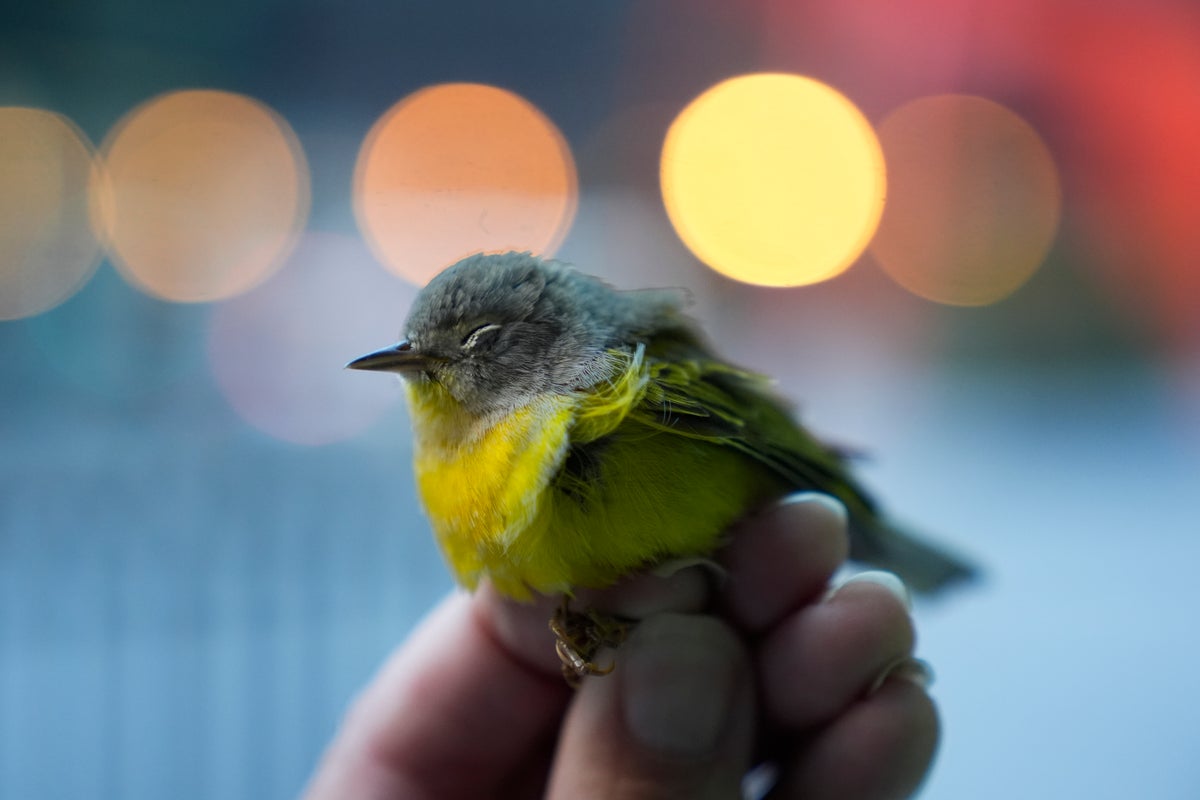 [!CDATA[Spring migration brings the melodious wood thrushes to northern Mississippi, covering over 1,850 miles from Central America. Birds like the Swainson’s thrush travel even longer distances, facing the threat of fatal collisions with glass windows. Studies estimate that up to 5.19 billion birds die annually in the U.S. due to window collisions, making it the leading human cause of bird deaths and contributing to a 29% decline in bird populations since 1970. The reflective nature of glass often confuses birds, leading to fatal head-on collisions or injuries that leave them vulnerable to predators. Buildings of all sizes pose a threat to birds, with some structures causing more casualties than others. At the University of Mississippi campus, efforts are being made to mitigate bird collisions by testing various solutions, such as adding films, stickers, or blinds to windows to break up reflections and create a visible barrier. Certain areas on campus, like an elevated walkway between buildings, have been identified as high-risk zones for bird collisions, resulting in numerous fatalities during migration seasons. Students have conducted surveys to track bird mortalities and assess the effectiveness of window treatments in reducing collisions. By implementing bird-friendly glass, exterior screens, or blinds, significant reductions in bird deaths can be achieved, as demonstrated by successful retrofitting efforts at McCormick Place in Chicago. Individuals can contribute to bird conservation by identifying problematic windows at home or in the office and applying bird-friendly treatments. Starting with small-scale interventions and gradually expanding efforts can make a meaningful impact in protecting migratory birds from fatal collisions. Collaboration with others who share a concern for bird safety can amplify the impact of these initiatives, ultimately helping to create safer environments for avian species during their long and perilous journeys.]]