"Protecting Amphibians: Conservation Efforts to Safeguard Wetlands and Vernal Pools"
Read "Protecting Amphibians: Conservation Efforts to Safeguard Wetlands and Vernal Pools" on WALY Radio
"Protecting Amphibians: Conservation Efforts to Safeguard Wetlands and Vernal Pools"
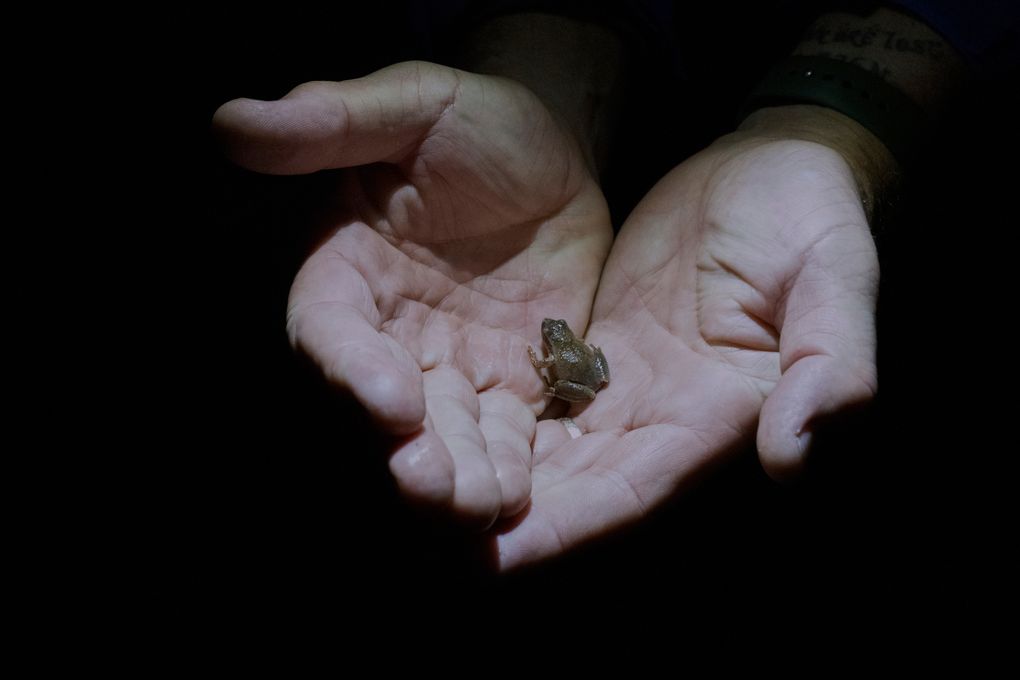 [!CDATA[In a rainy March evening, John Bateman ventures into a wetland near a busy road to assist migrating amphibians like spring peepers, toads, salamanders, and newts. These creatures require different habitats for various life stages, but roads often disrupt their migration, posing a threat to their survival. Vernal pools, temporary pools crucial for amphibian breeding, are at risk due to urban development and habitat loss. Amphibian populations in the U.S. have been declining since the 1960s, with a yearly decrease of nearly 4%. Climate change and habitat destruction are major contributors to this decline. The warming climate is forcing amphibians to adapt by shifting their ranges and altering their behavior. Conservation efforts, such as building vernal pools and educating communities, are essential to protect these vulnerable species. Margot Fass, the owner of A Frog House, is actively involved in frog advocacy and conservation. She emphasizes the importance of chemical-free gardens to protect amphibians from harmful pesticides. Organizations like the Genesee Land Trust are also working to preserve wetlands and vernal pools in the Rochester region, ensuring a safe habitat for amphibians and other wildlife. For Bateman, preserving wetlands and vernal pools is not just about protecting the environment but also about passing on the wonder of nature to future generations. He believes that connecting with nature and experiencing the magic of discovering hidden creatures is essential for children. By safeguarding these habitats, we can ensure that future generations can continue to appreciate and learn from the natural world.]]