Navigating the Delays: The Story of Seattle's East Link Light Rail Extension
Read Navigating the Delays: The Story of Seattle's East Link Light Rail Extension on WALY Radio
Navigating the Delays: The Story of Seattle's East Link Light Rail Extension
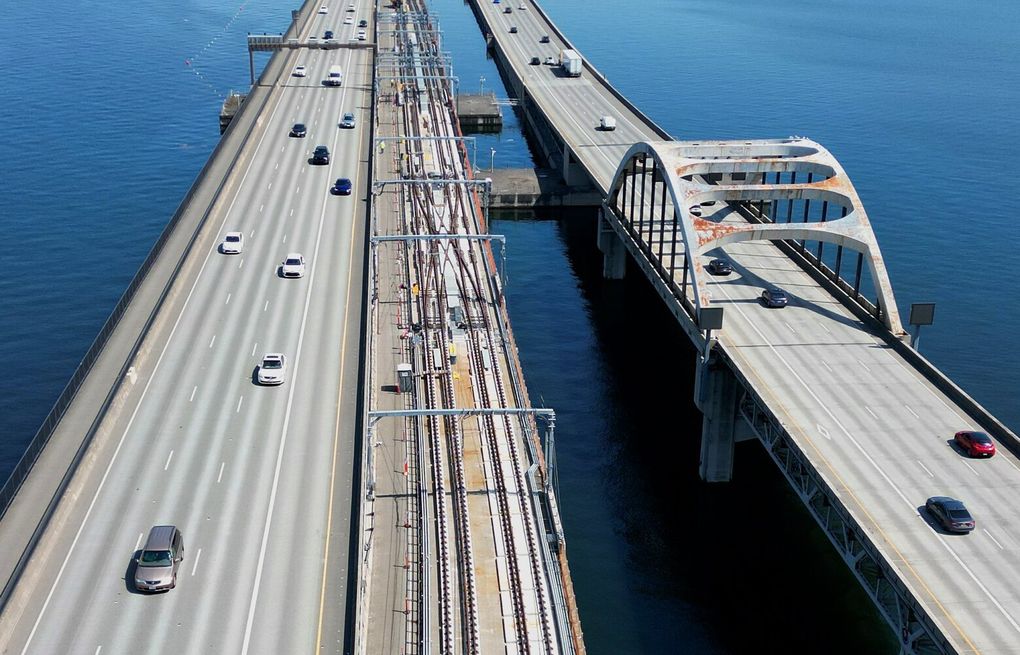 [!CDATA[Infrastructure megaprojects, such as the expansion of Seattle's light rail system, are characterized by their immense scale and ambitious timelines. These projects, often referred to as "gigaprojects" due to their multi-billion-dollar price tags, speak a language of grandeur and importance. The construction of the East Link light rail extension, which will connect across the I-90 floating bridge, has faced numerous delays, pushing its completion date to 2026. The project's timeline spans political and cultural eras, with initial approval dating back to 2008. Despite the prolonged construction period and multiple setbacks, the importance of establishing true grade-separated mass transit in Seattle remains a priority. The delays in completing these megaprojects, while frustrating, have become somewhat normalized in the realm of infrastructure development. Sound Transit's handling of the extended timeline for the East Link project, amidst challenges like the COVID-19 pandemic, has been commendable in terms of budget management. However, the persistent delays underscore the need for a reevaluation of project timelines and priorities. While Seattle's light rail expansion may have faced significant delays, it is not alone in the realm of slow-moving transit projects. Comparisons to other cities, like Honolulu, highlight the challenges and complexities of implementing large-scale infrastructure initiatives. Despite the prolonged construction period and delays, the anticipation and excitement surrounding the eventual completion of the East Link light rail extension remain high. The ultimate goal of providing efficient and reliable mass transit to the region continues to drive the project forward. In conclusion, the language of megaprojects is one of perseverance and endurance. While the extended timelines may test the patience of stakeholders and residents, the ultimate goal of enhancing transportation infrastructure for the community remains paramount. The completion of these projects, whenever they may be, will bring about a significant positive impact on the region's transit system.]]