"Know Your Rights: Navigating Customs Screenings at Airports"
Read "Know Your Rights: Navigating Customs Screenings at Airports" on WALY Radio
"Know Your Rights: Navigating Customs Screenings at Airports"
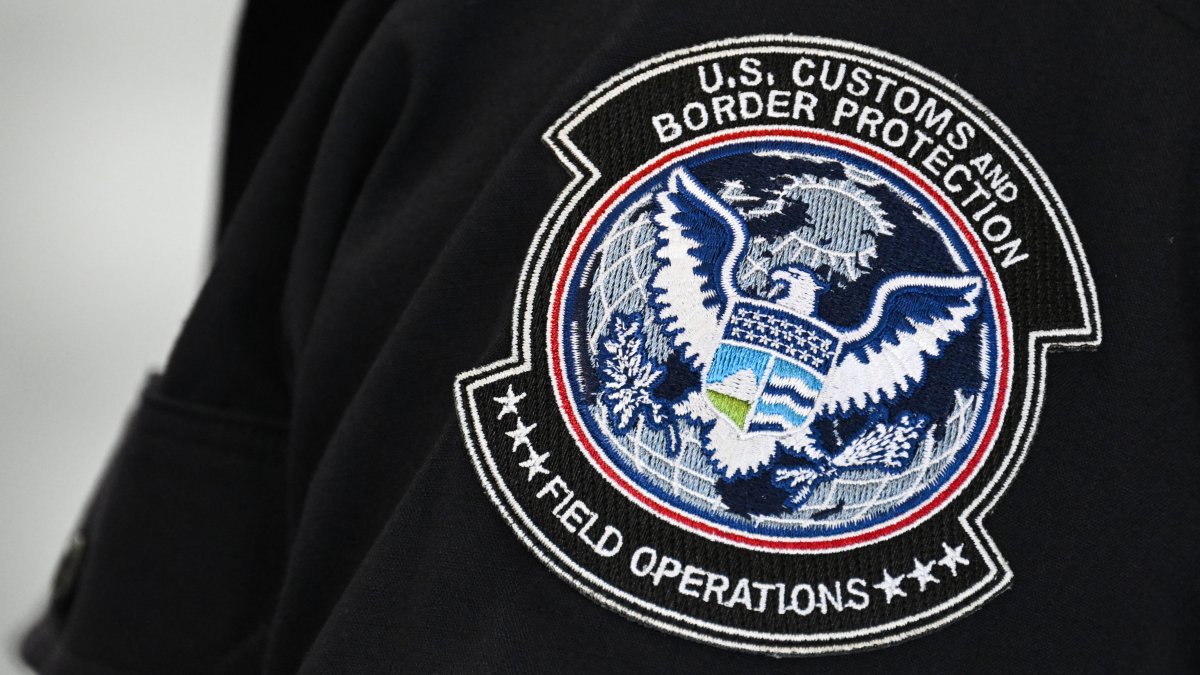 [!CDATA[An immigration lawyer's TikTok video offering advice on the rights of U.S. citizens and visa holders when stopped by customs at airports has gone viral, garnering over 8 million views. The lawyer, Brad Bernstein, addresses concerns raised by TikTok users who claim they were detained and searched upon entering the country. The Supreme Court has ruled that constitutional rights do not fully apply until individuals have officially entered the United States, which includes passing through immigration and customs. Customs and Border Protection (CBP) screenings at airports have a lower standard of constitutional authority compared to local searches, making it essential for travelers to be aware of their rights and plan accordingly. Travelers' rights during CBP screenings vary based on their citizenship status, with U.S. citizens having more protections than visa holders or green card holders. While routine searches at the border do not require a warrant or probable cause, travelers should be cautious and cooperate with officials. It is advisable to carry necessary immigration documents if asked by an immigration agent, as failure to do so could lead to arrest. Despite the rarity of advanced searches, travelers should take precautions such as minimizing electronic devices and staying calm during screenings to facilitate the process. TikTok creator Savanna shared her experience of being detained by CBP at a Miami airport, where officials questioned her for over two hours. Savanna's encounter, which she documented on TikTok, raised concerns about privacy and the reasons for her detention. The Department of Homeland Security (DHS) emphasized that lawful travelers should not fear security measures at the border, stating that inspections are designed to protect national security. While border searches have increased, advanced screenings have slightly decreased, according to DHS data. The constitutionality of basic electronic device searches at the border has been a subject of debate, with critics highlighting privacy concerns. Streamer Hasan Piker recounted his experience of being questioned by CBP upon returning from France, attributing the scrutiny to his political views. Piker's claims were disputed by DHS, which denied any political motivations behind the screening. Despite the conflicting accounts, Piker expressed concerns about the nature of the questions asked during the interrogation. DHS refuted Piker's allegations, stating that political beliefs do not influence inspections or removals. The incident underscores the importance of understanding one's rights and responsibilities when interacting with customs officials at airports. In conclusion, travelers should be aware of their rights and obligations when passing through customs at airports. While constitutional protections may vary based on citizenship status, cooperation and preparedness can help facilitate the screening process. It is essential to stay informed about current regulations and guidelines to navigate customs procedures effectively. By following recommended practices and remaining calm during screenings, travelers can ensure a smoother experience when entering the United States.]]