"Water Crisis in Damascus: The Struggle of Ein al-Fijeh Spring"
Read "Water Crisis in Damascus: The Struggle of Ein al-Fijeh Spring" on WALY Radio
"Water Crisis in Damascus: The Struggle of Ein al-Fijeh Spring"
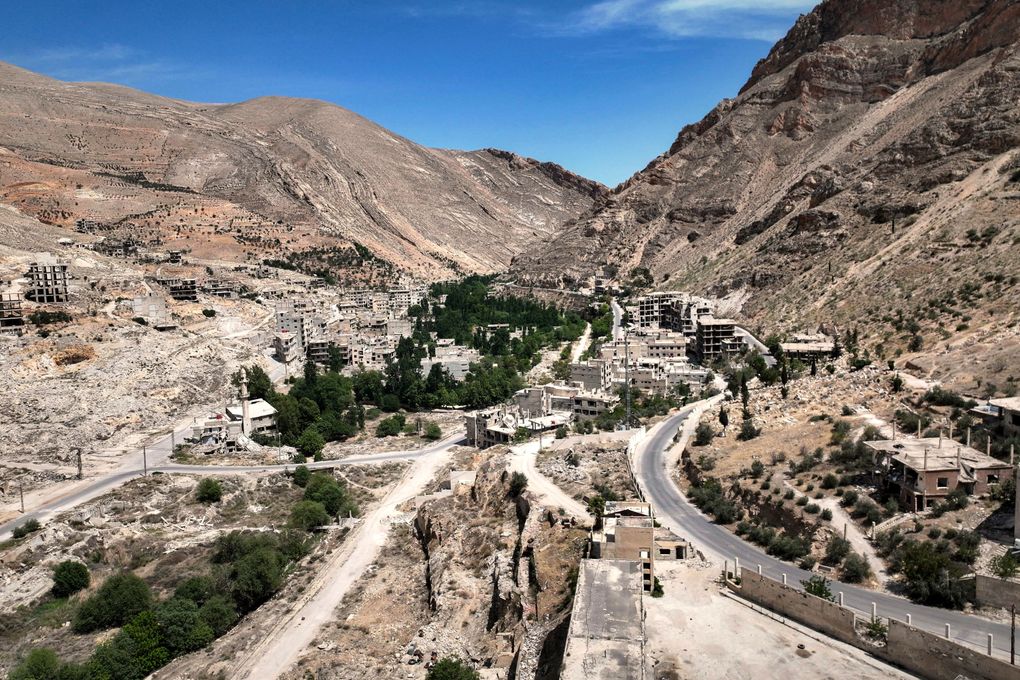 [!CDATA[Barada Valley in Syria is home to the famous Ein al-Fijeh spring, which has been a vital water source for Damascus and its suburbs for centuries. The spring, located inside the ruins of a Roman temple, is currently experiencing its lowest water levels in 33 years due to the driest winter in decades. This has led to severe water shortages in the city, forcing residents to rely on buying water from private tanker trucks. The Damascus City Water Supply Authority has warned that the situation could worsen in the summer as the spring is operating at its lowest level. With below-average rainfall this year, the spring, which mainly relies on rainfall and melted snow from the mountains, is unable to provide its usual water supply to the 1.1 million homes it serves. As a result, residents are being urged to conserve water by reducing their consumption. The scarcity of water is already being felt in neighborhoods like Abbasids, where residents receive water for only 90 minutes a day. Persistent electricity cuts exacerbate the problem, making it difficult to pump water to households. Some residents have resorted to buying expensive undrinkable water from tanker trucks. The situation is expected to deteriorate further, with fears that water supplies may drop to once or twice a week during the summer. The conflict in Syria has also taken a toll on the Ein al-Fijeh spring, with the area being subjected to shelling by various forces over the years. Despite the challenges, efforts are being made to rebuild and restore the area to its former glory. Tarek Abdul-Wahed, a resident who returned to the area after eight years, is working on rebuilding his restaurant near the spring. He hopes that the spring will once again become a popular destination for tourists and locals, bringing back the vibrant atmosphere it once had. In conclusion, the current water crisis in Damascus highlights the urgent need for conservation and sustainable water management practices. As the city grapples with severe shortages, residents are being urged to use water sparingly and adapt to the changing conditions. Efforts to restore the Ein al-Fijeh spring and improve water infrastructure are crucial to ensuring a reliable water supply for the millions of people who depend on it.]]