"Urban Coyotes in San Francisco: Coexistence Challenges and Conservation Efforts"
Read "Urban Coyotes in San Francisco: Coexistence Challenges and Conservation Efforts" on WALY Radio
"Urban Coyotes in San Francisco: Coexistence Challenges and Conservation Efforts"
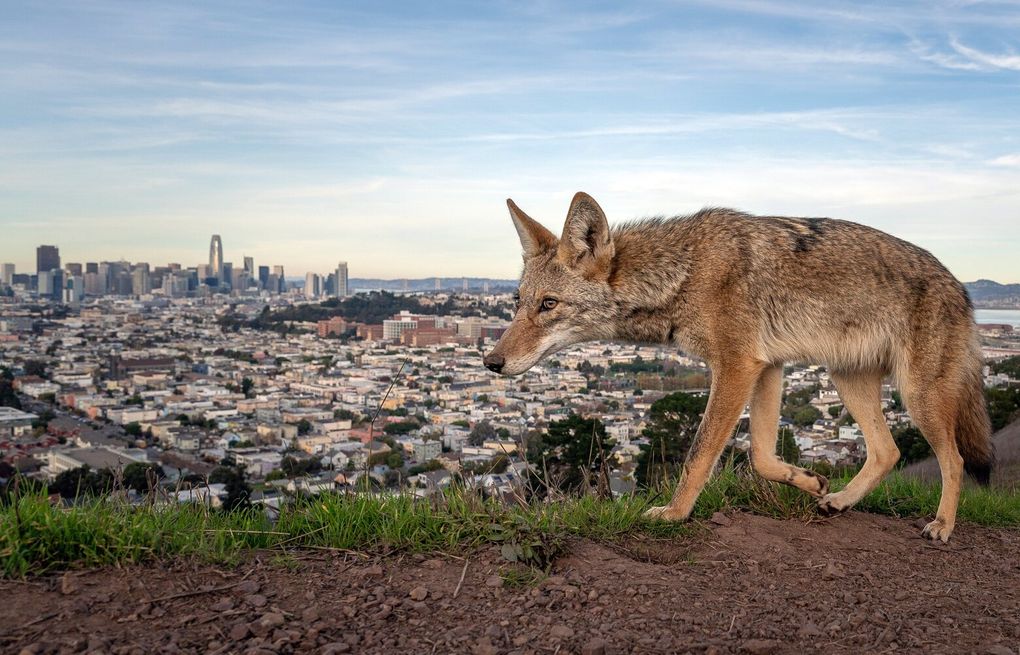 [!CDATA[Coyotes have become a common sight in San Francisco, roaming the city streets, parks, and even backyards. While some residents embrace their presence as part of the city's unique culture, others view them as a nuisance that needs to be eradicated due to safety concerns, especially after incidents involving children and small dogs. The origins of these urban coyotes trace back to their native roots in California, where they were once widespread but disappeared due to eradication efforts. However, they reemerged in the early 2000s, with their DNA suggesting a mysterious return from the north rather than the expected southern route. The coyotes in San Francisco have established territories in various parts of the city, with small packs controlling specific areas like mob families. Their numbers have reached around 100, and their presence became more noticeable during the pandemic lockdown. While some residents appreciate seeing them in the urban landscape, others have faced aggressive encounters, leading to calls for action. The tension between humans and coyotes has escalated, with incidents like a coyote biting a child at a summer camp and the aggressive behavior of a coyote at Crissy Field prompting federal agents to intervene. The coexistence of humans and coyotes in San Francisco poses challenges, with human behavior often contributing to conflicts. Leaving food sources accessible and letting small dogs off leash in known coyote territories can lead to dangerous encounters. Despite the challenges, experts emphasize the importance of coyotes in maintaining the ecosystem's balance by controlling rodent populations and feral cats. However, finding a balance between human safety and wildlife preservation remains a complex issue in the city. Efforts to manage the interactions between humans and coyotes have included targeted interventions to address aggressive behavior and educate the public on coexisting with wildlife. While some residents have expressed concerns about the safety of their pets and children, others advocate for a more compassionate approach towards these animals. The recent incident involving the shooting of a dangerous coyote highlights the ongoing debate on how to best manage the presence of coyotes in urban environments. As San Francisco continues to navigate the complexities of living alongside these wild creatures, finding sustainable solutions that prioritize both human safety and wildlife conservation remains a pressing issue.]]