"Uncovering the Truth: The Plight of Legal Venezuelan Immigrants Detained in El Salvador"
Read "Uncovering the Truth: The Plight of Legal Venezuelan Immigrants Detained in El Salvador" on WALY Radio
"Uncovering the Truth: The Plight of Legal Venezuelan Immigrants Detained in El Salvador"
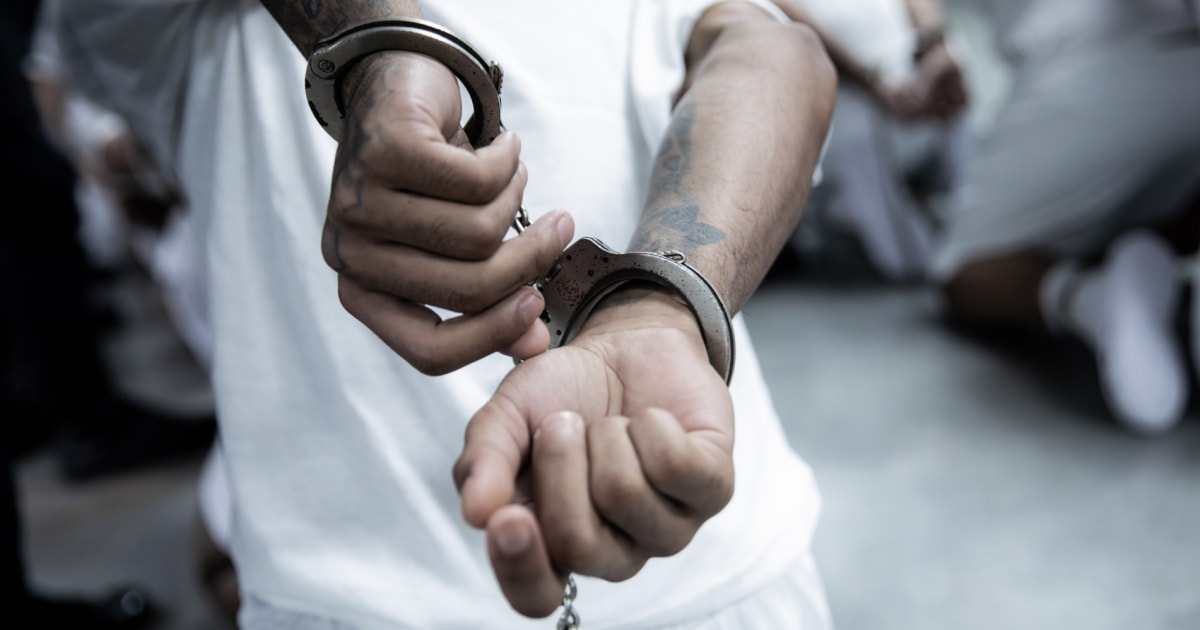 [!CDATA[Two months ago, the U.S. government transported hundreds of Venezuelans to a notorious Salvadoran prison, sending a strong message to criminal illegal aliens. However, recent research reveals that many of these individuals arrived legally in the United States and did not violate any immigration laws. The Cato Institute conducted a comprehensive review of the situation, uncovering that at least 50 of the Venezuelans were legally in the U.S. before being arbitrarily detained and sent to El Salvador without due process. Obtaining information about these men was challenging due to the government's suppression of disclosures. Families were left in the dark as the U.S. government did not provide any details or confirm the identities of the imprisoned individuals. The men are being held incommunicado, unable to communicate with their lawyers, families, or the outside world. To shed light on their stories, the Cato Institute compiled available information about these men, revealing that some had entered legally while others had crossed the border illegally. The majority of legal immigrants arrived in the U.S. through the CBP One application, a program used by the Biden administration to direct asylum-seekers to apply at legal crossing points. Some of these individuals were initially detained at their interview, while others were granted parole, allowing them to enter, live, and work legally in the U.S. until their arrest and imprisonment in El Salvador. Additionally, a few men entered as tourists or through the U.S. refugee admissions program, expecting legal status and a path to citizenship. Despite the government's claims that these individuals are members of a Venezuelan gang, evidence suggests otherwise. Background checks conducted by various news outlets found that the majority of the imprisoned legal immigrants had no criminal record in the U.S. or abroad. DHS's gang identification criteria, based on tattoos and clothing, have been criticized for being unreliable indicators of gang membership. The government's actions have raised concerns about due process and the treatment of legal immigrants in the U.S. In conclusion, the situation involving the imprisonment of legal Venezuelan immigrants in El Salvador highlights the need for transparency and accountability in immigration enforcement. The lack of due process and the arbitrary detention of individuals who arrived legally in the U.S. raise serious questions about the government's actions and its treatment of immigrants. It is essential to ensure that individuals' rights are respected and that immigration policies are implemented fairly and justly.]]