Tech and Politics Roundup: Cryptocurrency Regulation, Revenge Porn Legislation, and AI Ethics
Read Tech and Politics Roundup: Cryptocurrency Regulation, Revenge Porn Legislation, and AI Ethics on WALY Radio
Tech and Politics Roundup: Cryptocurrency Regulation, Revenge Porn Legislation, and AI Ethics
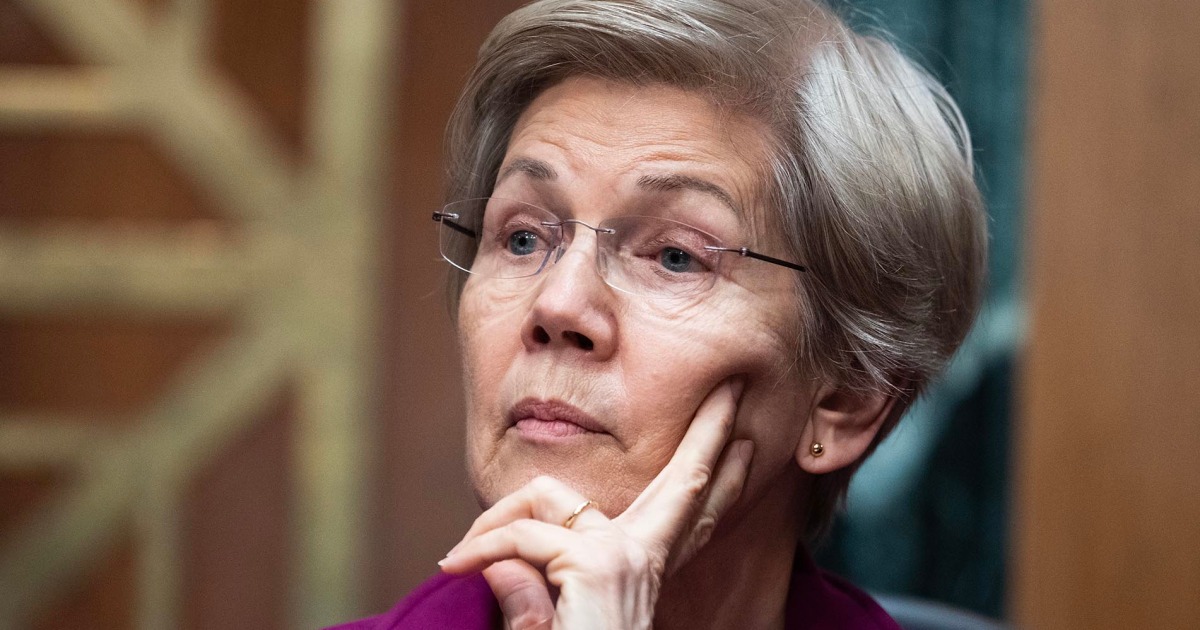 [!CDATA[Welcome to the latest tech and politics roundup for this Tuesday! Let's dive into the top stories from the past week. A bipartisan group of senators made progress on a bill that could have a significant impact on cryptocurrencies in the U.S. financial sector. The bill aims to establish a regulatory framework for stablecoins, digital tokens tied to fiat currencies like the U.S. dollar. Senator Elizabeth Warren raised concerns about the GENIUS Act, warning of potential financial crises if the bill is passed without amendments. Her speech highlighted the need for caution in regulating cryptocurrencies. Donald Trump signed the Take It Down Act into law, focusing on protecting victims of revenge porn. The effectiveness of the law's requirement for platforms to remove such content within 48 hours remains a topic of discussion. Trump's plan to boost the U.S. artificial intelligence industry in the Middle East, particularly in the United Arab Emirates, is facing bipartisan criticism. The move has sparked concerns about the implications for national security. "Sesame Street" found a new home on Netflix after parting ways with HBO. The deal ensures continued access to the beloved children's show amid funding threats from Trump to its previous distributor, PBS. Reports of stock sales by Trump administration officials, including Attorney General Pam Bondi and Transportation Secretary Sean Duffy, have raised eyebrows. Questions have been raised about the timing and implications of these transactions. Verizon's decision to halt its diversity, equity, and inclusion programs to secure approval for a major acquisition has drawn criticism. The move reflects a broader trend of companies adjusting their policies to align with the Trump administration's priorities. SAG-AFTRA filed an unfair labor complaint against Epic Games over the use of an AI-generated voice resembling James Earl Jones in Fortnite. The union raised concerns about the ethical implications of using AI to replicate deceased actors' voices. A study by the Center for Countering Digital Hate highlighted the impact of Netflix's series "Adolescence" on online platforms frequented by incels. The report sheds light on the role of media in shaping toxic online environments. Warnings from academic, advocacy, and labor groups about a Republican budget clause blocking state-level regulation of artificial intelligence tools underscore concerns about security risks. The potential implications of limiting AI oversight for a decade are being closely monitored. The FBI issued a warning about malicious actors using generative artificial intelligence tools to impersonate government officials. The use of AI for deceptive purposes poses a significant threat to cybersecurity and national security. Spotify took action against fake podcasts on its platform designed to promote opioids. The removal of these podcasts reflects ongoing efforts to combat misinformation and harmful content online. In conclusion, the intersection of technology and politics continues to spark debates and raise important questions about regulation, ethics, and security in the digital age. Stay tuned for more updates on these evolving issues.]]