"Qualified Immunity: The Ongoing Debate and Lack of Reform in the Aftermath of George Floyd's Death"
Read "Qualified Immunity: The Ongoing Debate and Lack of Reform in the Aftermath of George Floyd's Death" on WALY Radio
"Qualified Immunity: The Ongoing Debate and Lack of Reform in the Aftermath of George Floyd's Death"
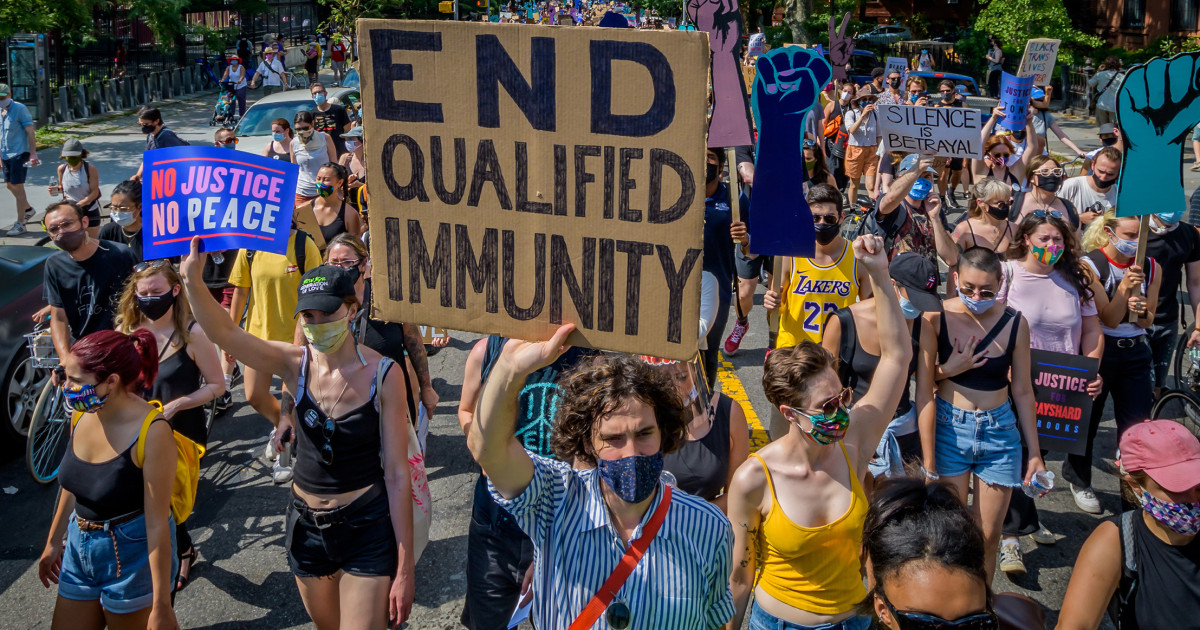 [!CDATA[The tragic death of George Floyd in 2020 sparked a nationwide push to reform qualified immunity, a legal defense that can shield law enforcement officers from accountability even when they violate the Constitution. Despite bills introduced in Congress and cases brought before the Supreme Court, no significant changes have been made to the doctrine. Qualified immunity, established by the Supreme Court in 1967, allows government officials, including police officers, to avoid liability by claiming that their actions did not violate clearly established constitutional rights. This has led to dismissals of civil rights claims without the opportunity for plaintiffs to seek justice through settlements or trials. While some minor adjustments have been made through court rulings and state laws, the overall impact remains limited. Karen Blum, a professor at Suffolk University Law School and a vocal critic of qualified immunity, expressed disappointment at the lack of progress following George Floyd's death. The law enforcement community argues that qualified immunity is essential to protect officers making split-second decisions in dangerous situations. Despite calls for reform from various groups, including the ACLU and the Cato Institute, efforts to amend or eliminate qualified immunity have faced obstacles in both the Supreme Court and Congress. The Supreme Court declined to revisit the doctrine in 2020, while the George Floyd Justice in Policing Act, which included provisions on qualified immunity, stalled in the Senate due to Republican opposition. While qualified immunity continues to shield government officials from accountability in cases involving egregious misconduct, there have been some indications of a shift in judicial attitudes. Some judges have criticized the application of qualified immunity, leading to recent rulings that challenge its broad protection of officers. For example, a 2024 decision by the 11th U.S. Circuit Court of Appeals denied qualified immunity to a jail intake officer in a racially motivated murder case. Additionally, a Supreme Court ruling in 2020 favored a Texas prison inmate over prison officials, signaling a potential opening for reform advocates. Despite these incremental changes, the broader issue of qualified immunity remains unresolved, leaving many critics frustrated by the lack of meaningful reform. As the fifth anniversary of George Floyd's death approaches, the debate over qualified immunity continues, with advocates and lawmakers pushing for accountability and justice in cases of police misconduct.]]